photovoice
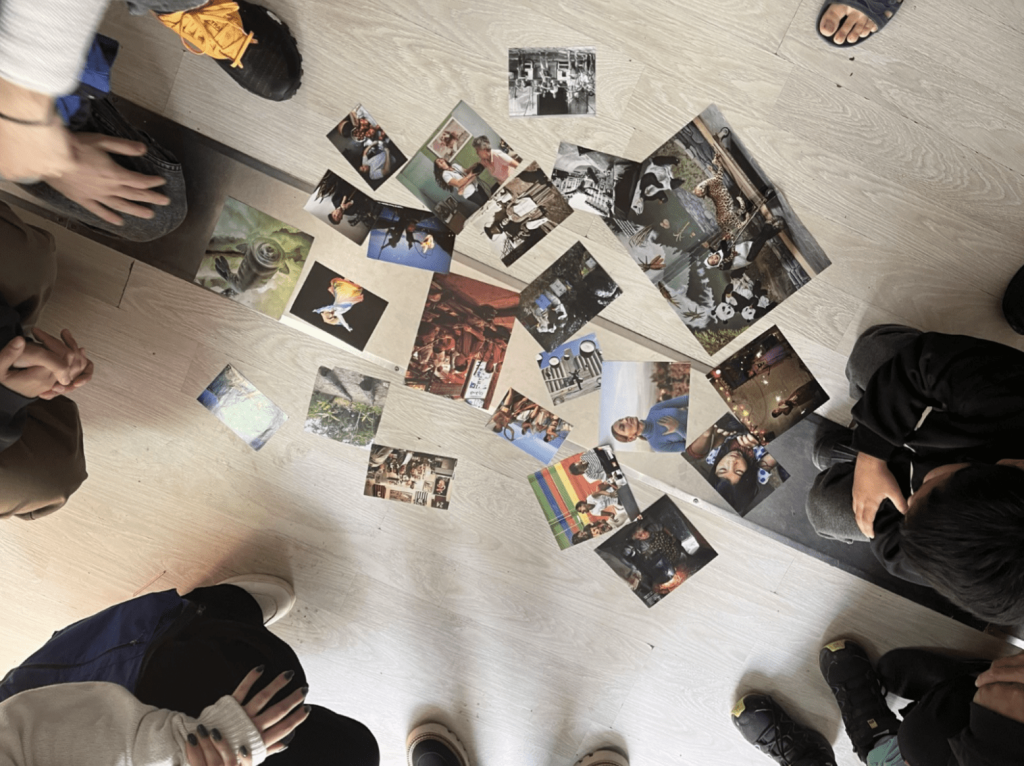
In summer 2025, PVWW instructors hit the road with a series of in-person photovoice trainings. We interviewed one of them about the experience and her takeaways. The results may surprise you!
Participatory Action Research (PAR) is flexible and inclusive and can incorporate a variety of research methods. Its findings can be shared in diverse ways, including through art, performance, exhibitions, and public forums. Photovoice is one form of PAR.
In this photovoice project, six young Bedouin women took photos that challenge stereotypes of Bedouin women as passive recipients of cultural heritage, instead, appearing as active agents shaping their own narratives. Their efforts represent not only a personal journey, but also, a social commentary on the roles and expectations of Bedouin women in a changing world.

Nagham received a grant from Ettijahat – Independent Culture to lead her first independent photovoice project, focusing on the cultural identity of young Bedouin women in Lebanon. This project has been deeply personal, shaped by her close collaboration with six young women who shared powerful stories about belonging, gender roles, identity and everyday resilience.
While interning with Photovoice Worldwide, Sanem facilitated a photovoice project with a young cancer patient in Turkey. This collaboration inspired her to share his story. We recently sat down with Sanem to talk about her vision and hopes for the book.
PVWW educator Erica Belli had the privilege of using arts-based methods with child refugees traveling the perilous Balkan Route. She came away humbled by their openness, trust, creativity, and resilience.
Using examples from her vast experience, photographer, filmmaker, and participatory visual media practitioner Ingrid Guyon prioritizes placing participants and their community at the centre of the photovoice process.
A researcher studying water insecurity in rural Malawi talks about using photovoice to overcome cultural and language barriers, thus doing justice to the co-researcher perspective when reporting data.
Sometimes we see sweeping changes in policy and legislation emerging from the voice of the people, but equally as valid are the small steps and changes which occur for participants.