Photovoice Projects
Do you have an idea for a photovoice project, but are afraid you won’t be able to carry it out because of budget constraints? I'm here to tell you: Have no fear! Some of the most meaningful work I have seen — and been part of — has happened with borrowed phones, community hall tables, and photos printed at a corner shop. Don't let a lack of funding or resources destroy your dream.
Team members at the Centre for Addiction and Mental Health (CAMH) used photovoice to explore the impact of co-production in Recovery Colleges for people with mental health and substance use challenges. A strength of the project was its creative and multi-faceted approach to knowledge dissemination.
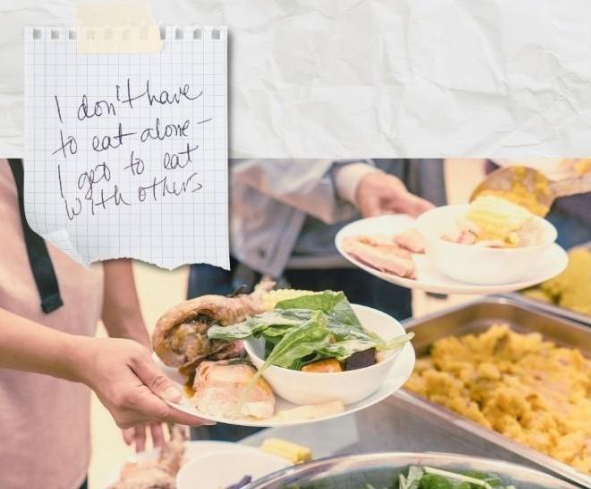
This photovoice study invited twelve Latin American migrants aged 54+ living in Adelaide — South Australia’s fifth largest city — to share their stories. Using photographs and narratives, they explored how they see and feel about connection and loneliness, bringing awareness to the meaning of culture and belonging in their everyday lives.
Human Rights and Democracy lawyer Christian C. Carbonell writes, "My role as a facilitator before and after the PhotovoiceWorldwide training was profoundly different. Both projects were meaningful, but the latter had much more depth, structure, and reflection."
In this photovoice project, six young Bedouin women took photos that challenge stereotypes of Bedouin women as passive recipients of cultural heritage, instead, appearing as active agents shaping their own narratives. Their efforts represent not only a personal journey, but also, a social commentary on the roles and expectations of Bedouin women in a changing world.
Nagham received a grant from Ettijahat – Independent Culture to lead her first independent photovoice project, focusing on the cultural identity of young Bedouin women in Lebanon. This project has been deeply personal, shaped by her close collaboration with six young women who shared powerful stories about belonging, gender roles, identity and everyday resilience.
While interning with Photovoice Worldwide, Sanem facilitated a photovoice project with a young cancer patient in Turkey. This collaboration inspired her to share his story. We recently sat down with Sanem to talk about her vision and hopes for the book.
PVWW educator Erica Belli had the privilege of using arts-based methods with child refugees traveling the perilous Balkan Route. She came away humbled by their openness, trust, creativity, and resilience.
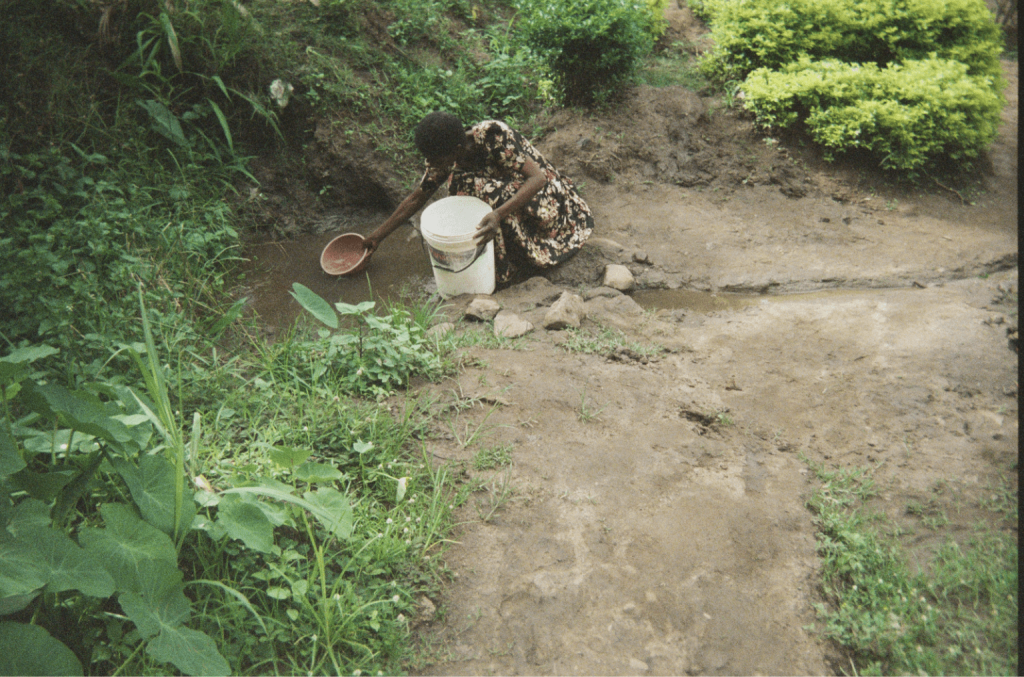
A researcher studying water insecurity in rural Malawi talks about using photovoice to overcome cultural and language barriers, thus doing justice to the co-researcher perspective when reporting data.
By exploring the intersection of culture, environmental influences, and individual behaviors, a photovoice project aims to inform the development of practical and culturally relevant interventions tailored to the needs of African American mothers.