Blog
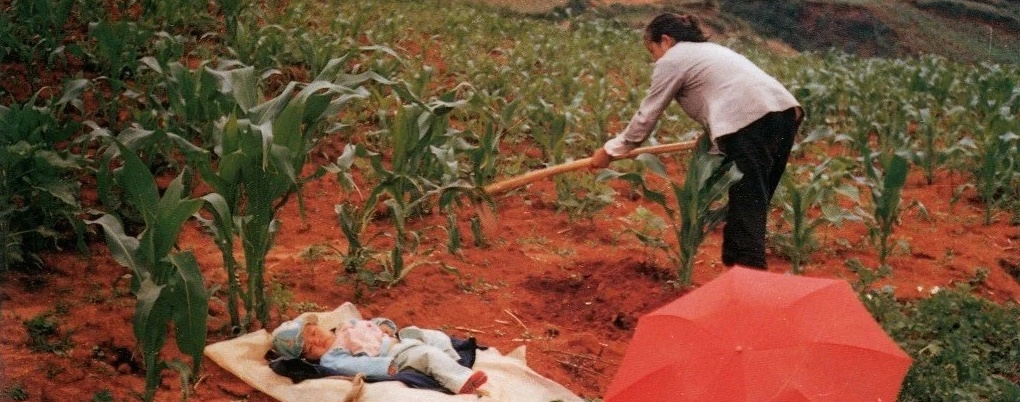
Democracy, at its best, isn’t just about casting a vote every few years. It’s about who gets to shape the conversation - whose experiences count as evidence, and whose stories are treated as data. By putting cameras in the hands of everyday people, it reframes who qualifies as an expert on community life. Photo by Tania Fernandez on Unsplash
The benefits of maintaining a reflexive journal extend well beyond personal growth and ethics. For the research itself, the journal functions as an audit trail — a transparent record that allows peer reviewers and stakeholders to assess the confirmability and dependability of findings.
Do you have an idea for a photovoice project, but are afraid you won’t be able to carry it out because of budget constraints? I'm here to tell you: Have no fear! Some of the most meaningful work I have seen — and been part of — has happened with borrowed phones, community hall tables, and photos printed at a corner shop. Don't let a lack of funding or resources destroy your dream.
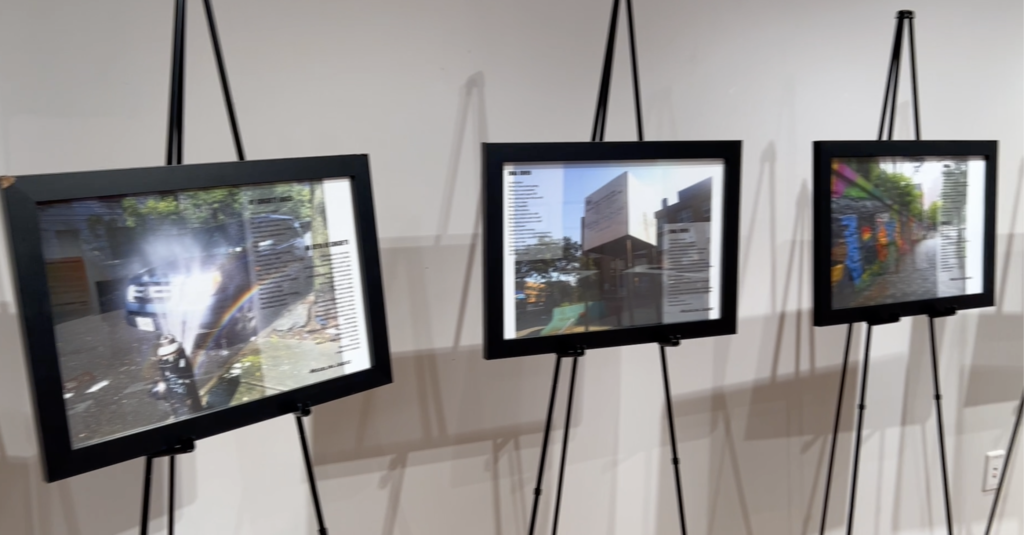
Team members at the Centre for Addiction and Mental Health (CAMH) used photovoice to explore the impact of co-production in Recovery Colleges for people with mental health and substance use challenges. A strength of the project was its creative and multi-faceted approach to knowledge dissemination.
This photovoice study invited twelve Latin American migrants aged 54+ living in Adelaide — South Australia’s fifth largest city — to share their stories. Using photographs and narratives, they explored how they see and feel about connection and loneliness, bringing awareness to the meaning of culture and belonging in their everyday lives.
Human Rights and Democracy lawyer Christian C. Carbonell writes, "My role as a facilitator before and after the PhotovoiceWorldwide training was profoundly different. Both projects were meaningful, but the latter had much more depth, structure, and reflection."