Ethics and Photovoice
The benefits of maintaining a reflexive journal extend well beyond personal growth and ethics. For the research itself, the journal functions as an audit trail — a transparent record that allows peer reviewers and stakeholders to assess the confirmability and dependability of findings.
Using examples from her vast experience, photographer, filmmaker, and participatory visual media practitioner Ingrid Guyon prioritizes placing participants and their community at the centre of the photovoice process.
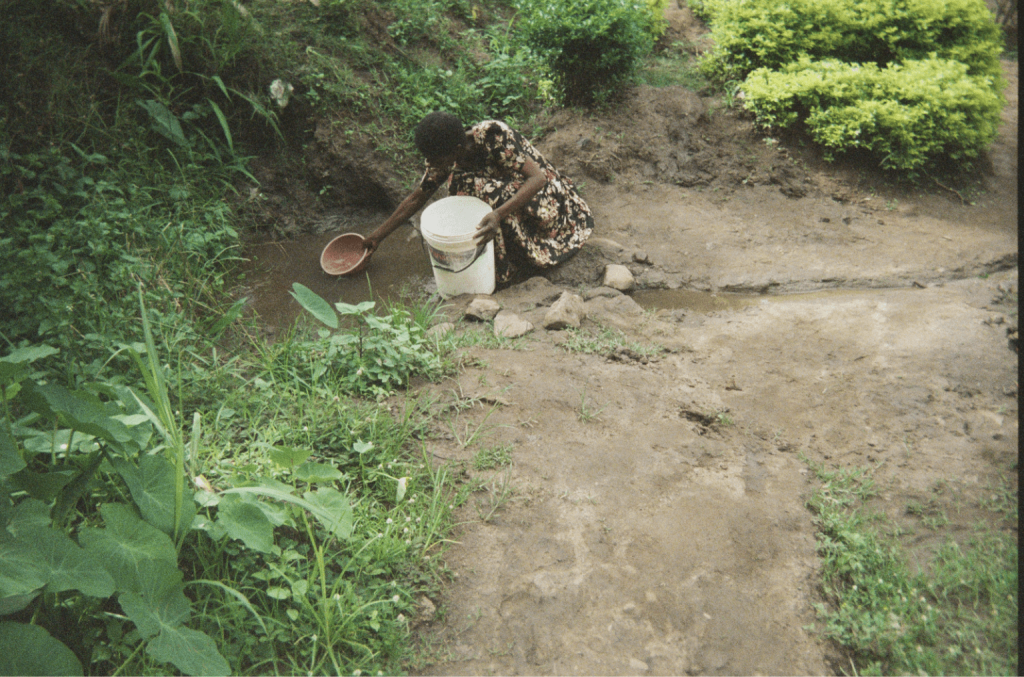
A researcher studying water insecurity in rural Malawi talks about using photovoice to overcome cultural and language barriers, thus doing justice to the co-researcher perspective when reporting data.
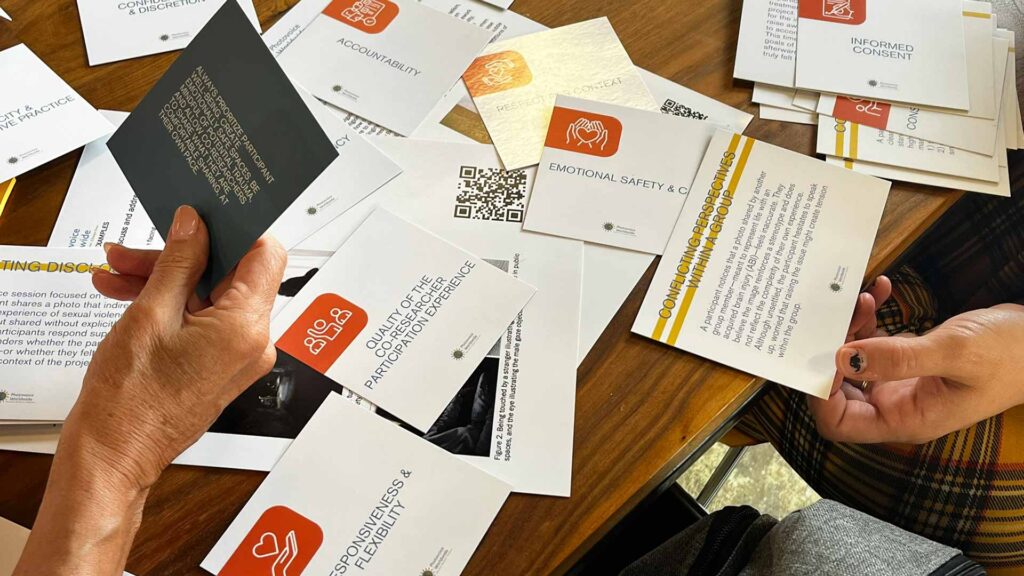
The ethics of photovoice research are nested within universally recognized ethical principles that guide all research.
One way to acknowledge and address the interconnected legacies of colonialism and racism within photovoice health research is to adopt an anticolonial stance in framing our research and throughout its research phases.