Photovoice Method
Human Rights and Democracy lawyer Christian C. Carbonell writes, "My role as a facilitator before and after the PhotovoiceWorldwide training was profoundly different. Both projects were meaningful, but the latter had much more depth, structure, and reflection."

Participatory Action Research (PAR) is flexible and inclusive and can incorporate a variety of research methods. Its findings can be shared in diverse ways, including through art, performance, exhibitions, and public forums. Photovoice is one form of PAR.
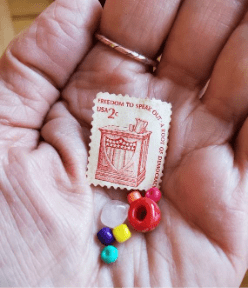
A random "found object" causes Dr. Lorenz to reflect on the power of photovoice to develop shared understandings and promote Democracy. “...I was cleaning out my beads as I prepared to move to Virginia. A small stamp had been hanging around, hidden among the random beads that somehow linger on my art table after I finish a necklace.”
Sometimes we see sweeping changes in policy and legislation emerging from the voice of the people, but equally as valid are the small steps and changes which occur for participants.
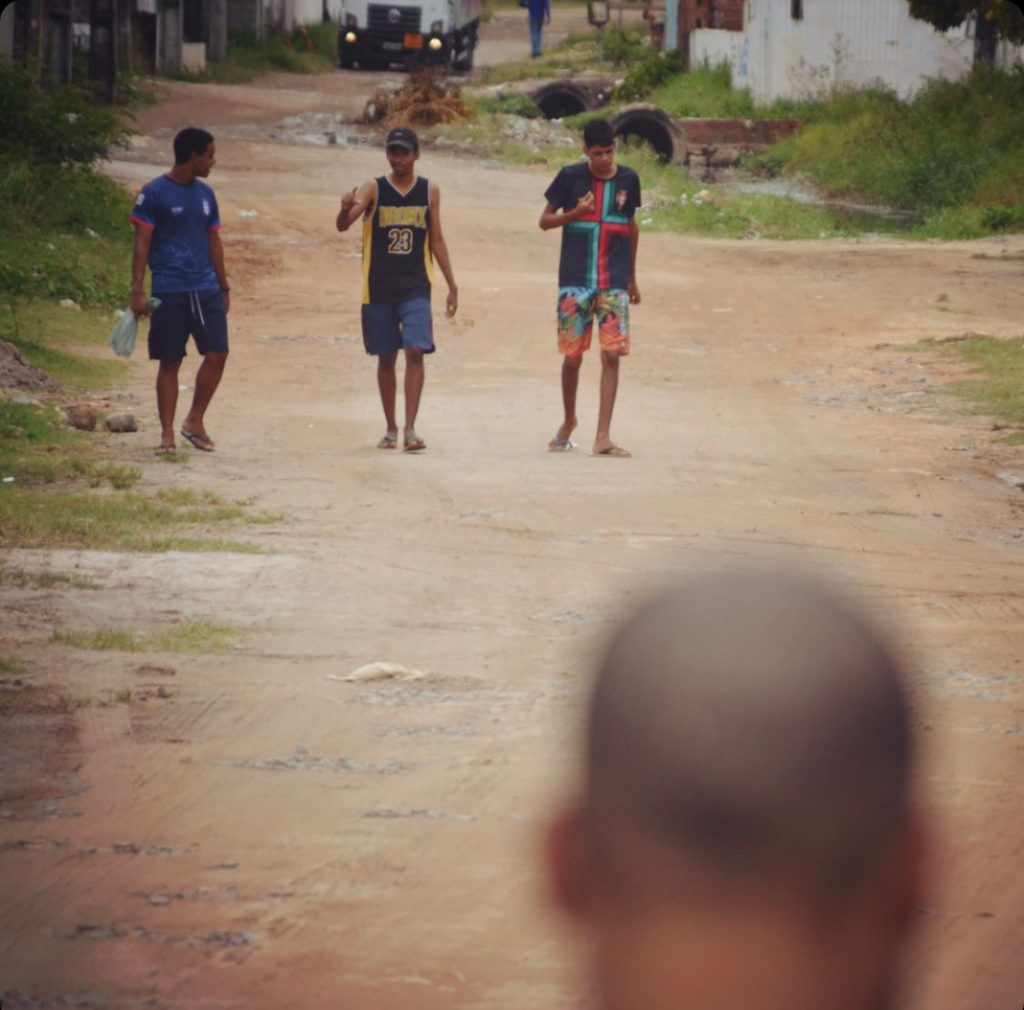
A photographer living in Northeast Brazil takes the Photovoice Worldwide Intensive School and, by learning about Paulo Freire's roots, is given a whole new perspective on the city she calls home and the work she is doing to try and lift the oppressed.
At the outset, facilitating your first photovoice project may seem overwhelming, but it need not be. A little forethought and planning will go a long way toward getting you started. Here are five things you will definitely want to think about before undertaking your project.
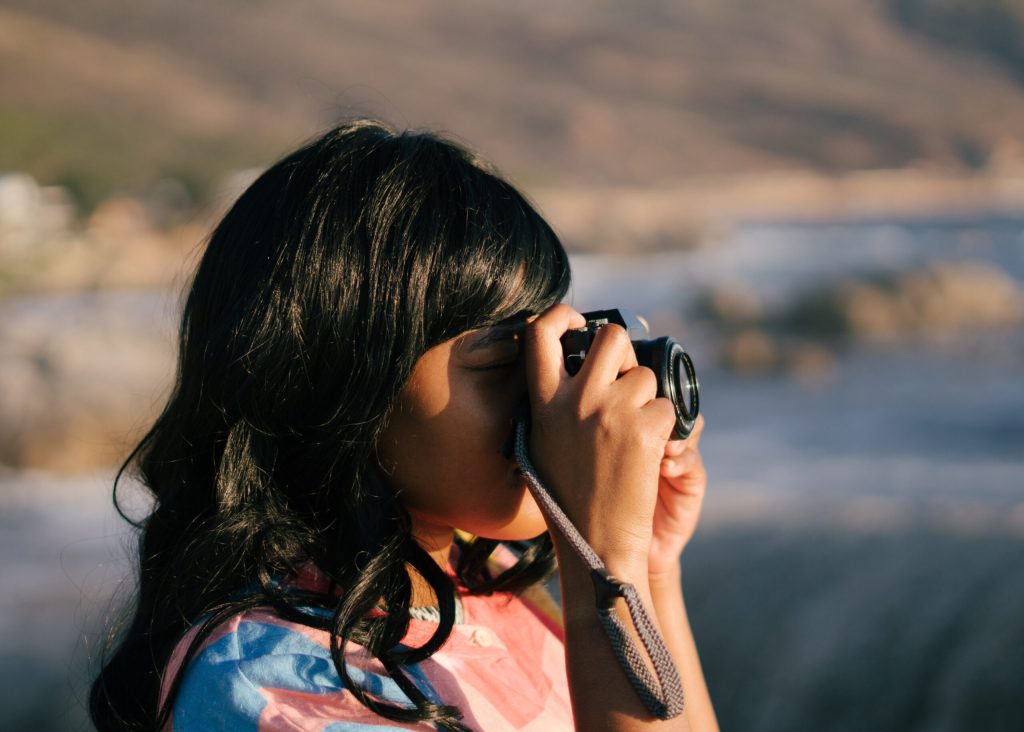
For photovoice to work, participants have to want to be involved; it needs to be enjoyable. Participatory photography projects are about building connections and dialogue and this won’t happen if people don’t feel safe, comfortable or respected.