Photovoice for Research
The benefits of maintaining a reflexive journal extend well beyond personal growth and ethics. For the research itself, the journal functions as an audit trail — a transparent record that allows peer reviewers and stakeholders to assess the confirmability and dependability of findings.
Do you have an idea for a photovoice project, but are afraid you won’t be able to carry it out because of budget constraints? I'm here to tell you: Have no fear! Some of the most meaningful work I have seen — and been part of — has happened with borrowed phones, community hall tables, and photos printed at a corner shop. Don't let a lack of funding or resources destroy your dream.
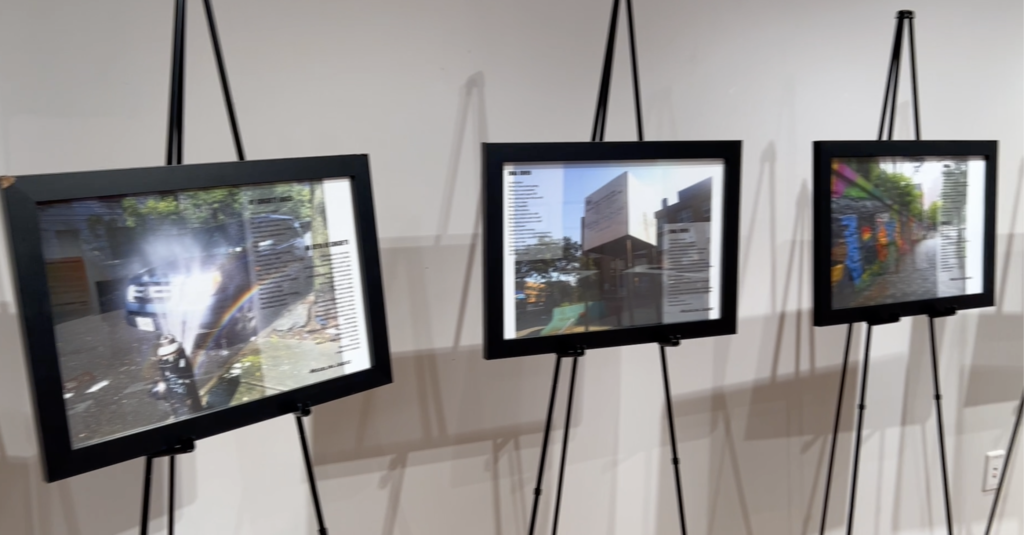
Participatory Action Research (PAR) is flexible and inclusive and can incorporate a variety of research methods. Its findings can be shared in diverse ways, including through art, performance, exhibitions, and public forums. Photovoice is one form of PAR.
Using examples from her vast experience, photographer, filmmaker, and participatory visual media practitioner Ingrid Guyon prioritizes placing participants and their community at the centre of the photovoice process.
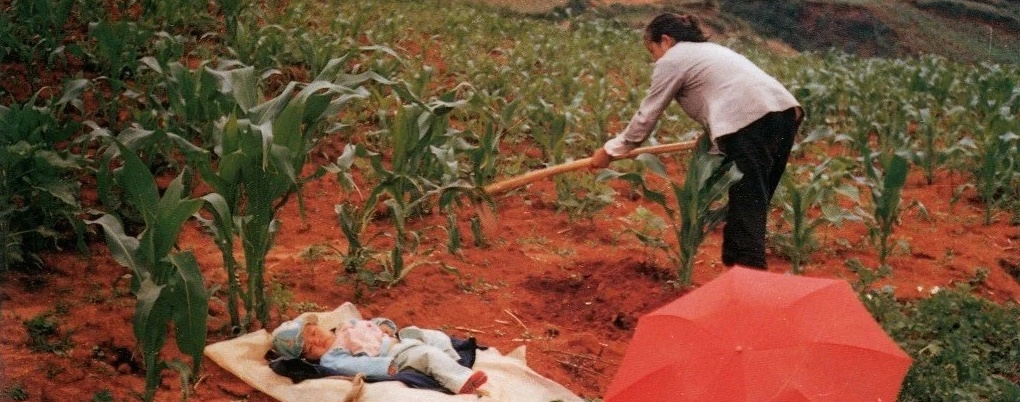
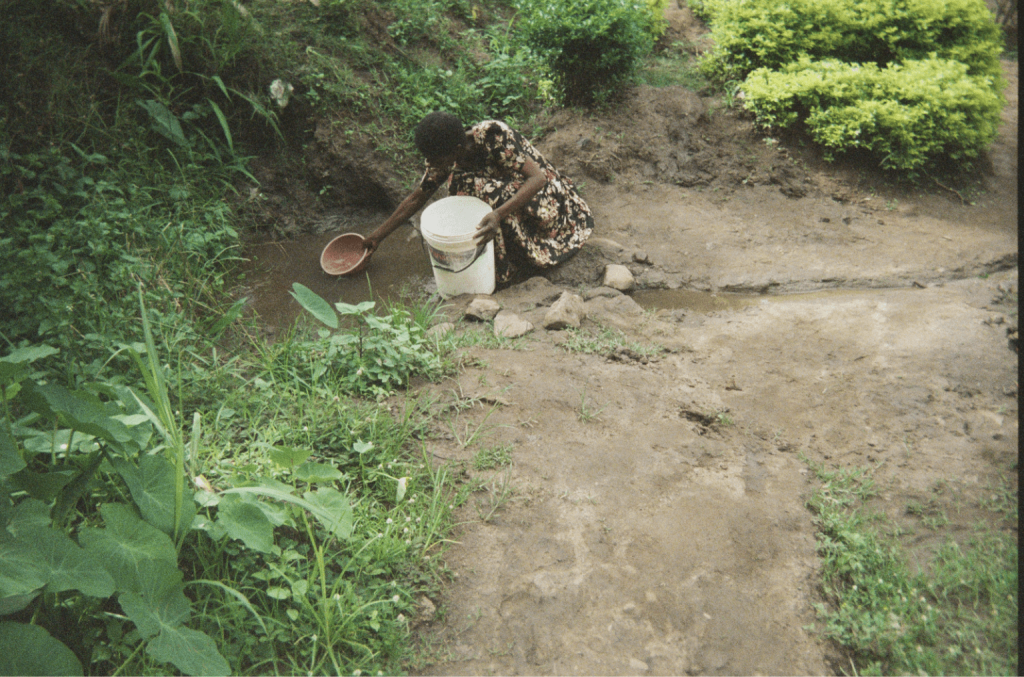
A researcher studying water insecurity in rural Malawi talks about using photovoice to overcome cultural and language barriers, thus doing justice to the co-researcher perspective when reporting data.
By exploring the intersection of culture, environmental influences, and individual behaviors, a photovoice project aims to inform the development of practical and culturally relevant interventions tailored to the needs of African American mothers.
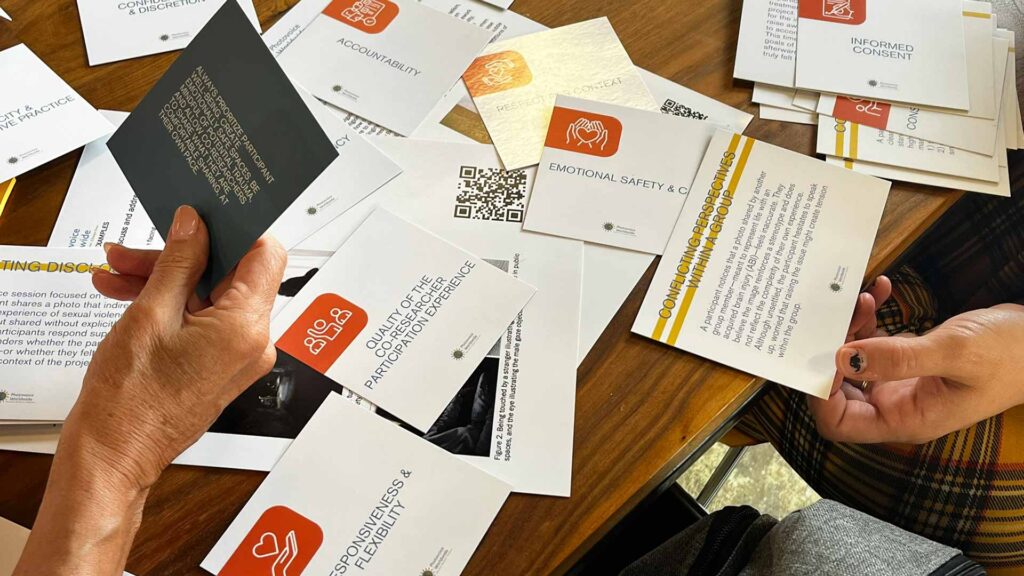
The ethics of photovoice research are nested within universally recognized ethical principles that guide all research.