Photovoice and Health

Photovoice is more than a creative method; it is a powerful way to generate mutual learning, strengthen communities, and inform real-world decisions. By inviting individuals to become participants/co-researchers and document their lived experiences through photography and dialogue, photovoice shifts research from studying people to learning with people. 
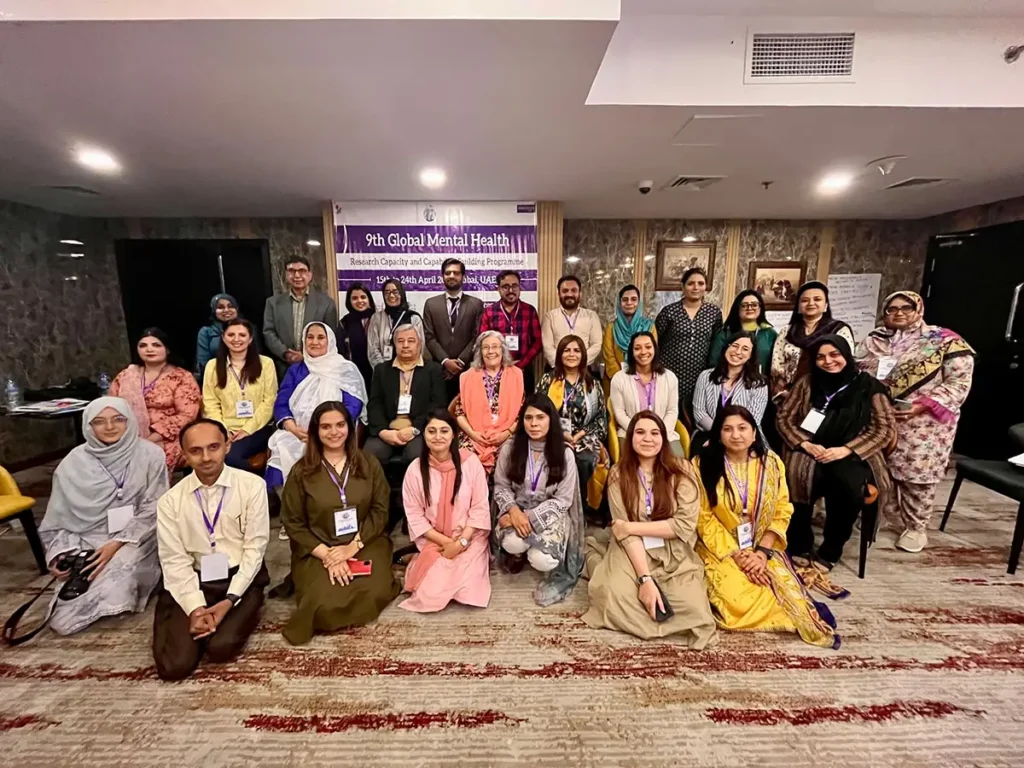
Participants from a photovoice training with Laura Lorenz, Stephanie Lloyd, and Erica Belli at the Global Mental Health Research Capacity and Capability Programme
One of the unique features of the photovoice method is that, unlike traditional qualitative research, it generates opportunities for underrepresented populations, or people who historically have not had a voice, to have a say in the decisions that affect their lives. Though commonly practiced within the health and public health sectors, it currently extends to a variety of populations and contexts.

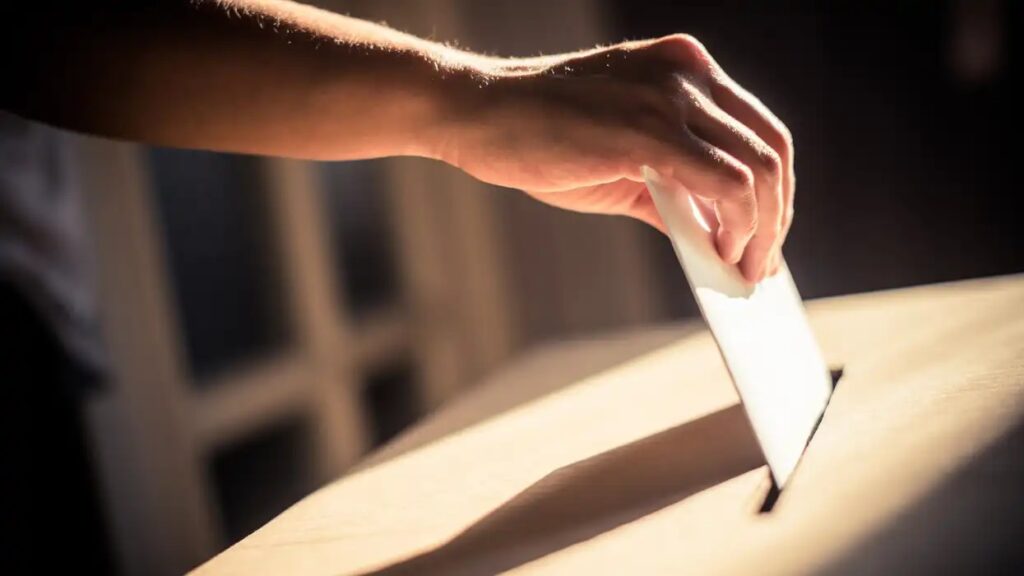
a person casting a ballot in a ballot box
Democracy, at its best, isn’t just about casting a vote every few years. It’s about who gets to shape the conversation - whose experiences count as evidence, and whose stories are treated as data. By putting cameras in the hands of everyday people, it reframes who qualifies as an expert on community life. Photo by Tania Fernandez on Unsplash
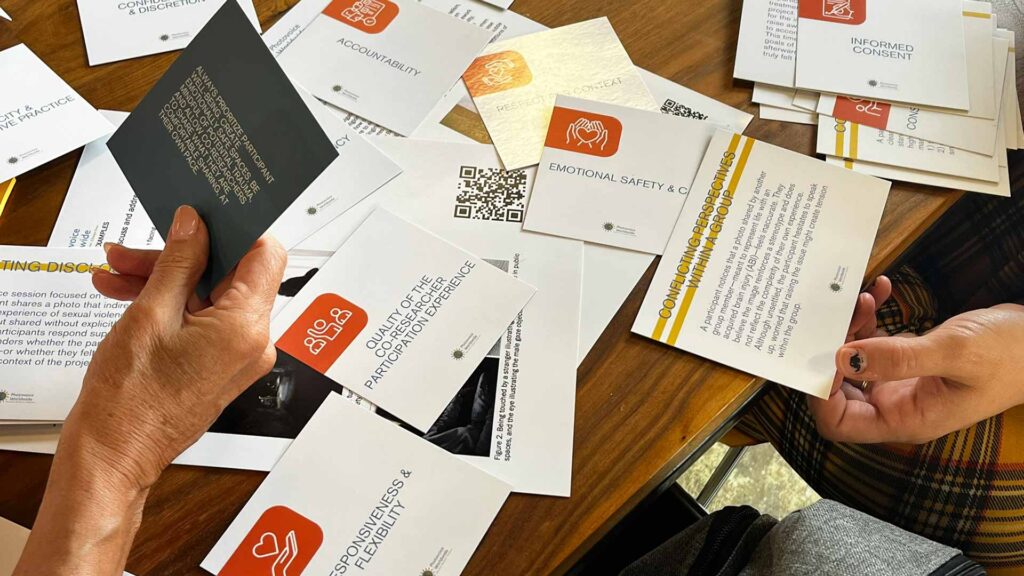
PhotovoiceWorldwide training participants discussing photovoice ethics with our ethics card game.
The benefits of maintaining a reflexive journal extend well beyond personal growth and ethics. For the research itself, the journal functions as an audit trail — a transparent record that allows peer reviewers and stakeholders to assess the confirmability and dependability of findings.
Sanem Cerit holding her book "A Pinch of Awareness"
While interning with Photovoice Worldwide, Sanem facilitated a photovoice project with a young cancer patient in Turkey. This collaboration inspired her to share his story. We recently sat down with Sanem to talk about her vision and hopes for the book.
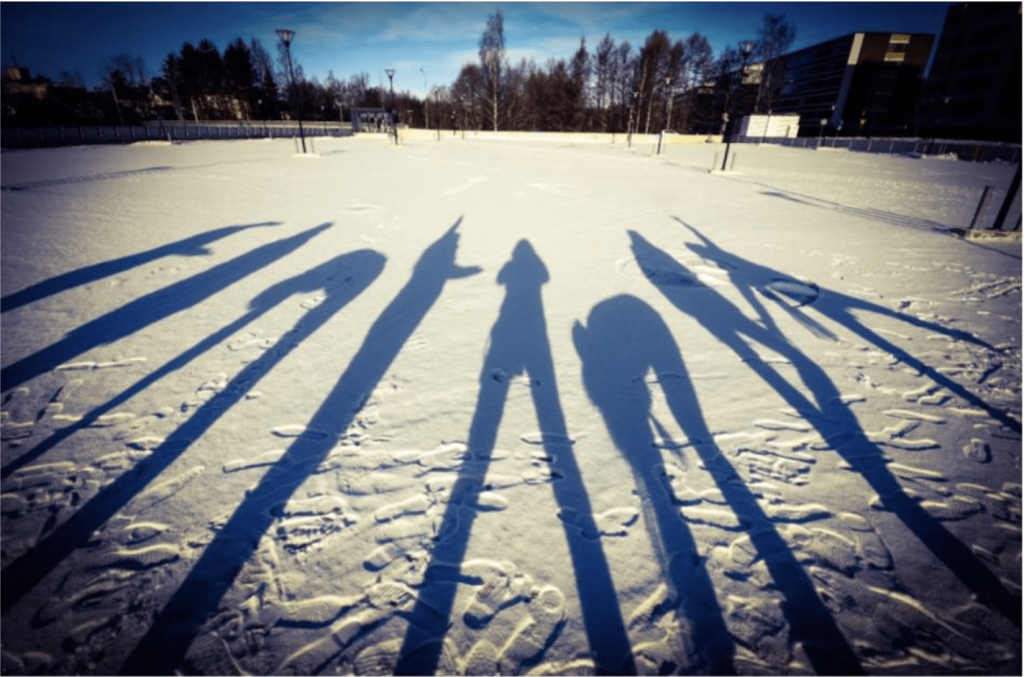
People’s shadows on a snowy surface
Sometimes we see sweeping changes in policy and legislation emerging from the voice of the people, but equally as valid are the small steps and changes which occur for participants.
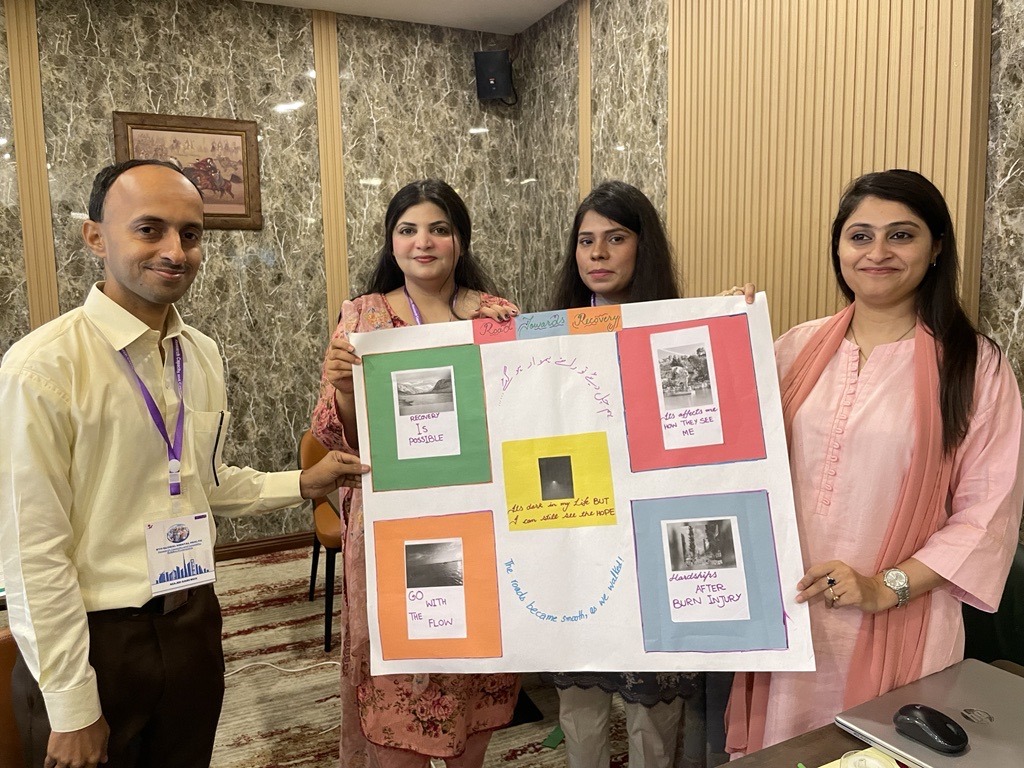
4 participants stand together holding their poster with photos and captions
In April, Photovoice Worldwide educators traveled to Dubai, UAE, to conduct a two-day, intensive, photovoice training. While there, they experienced historic rains and flooding.
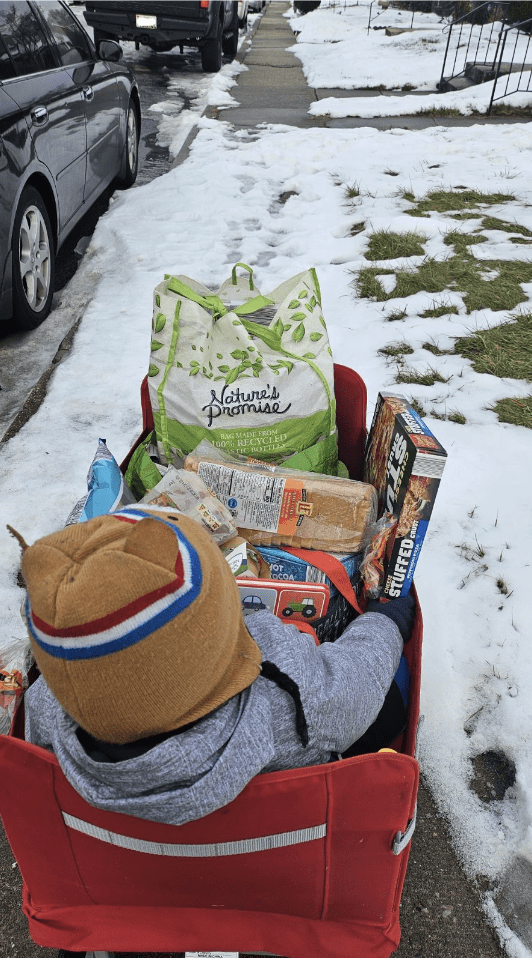
Child sitting in a red wagon with food. The sidewalk in front on the wagon is covered in snow and difficult to move forward
By exploring the intersection of culture, environmental influences, and individual behaviors, a photovoice project aims to inform the development of practical and culturally relevant interventions tailored to the needs of African American mothers.
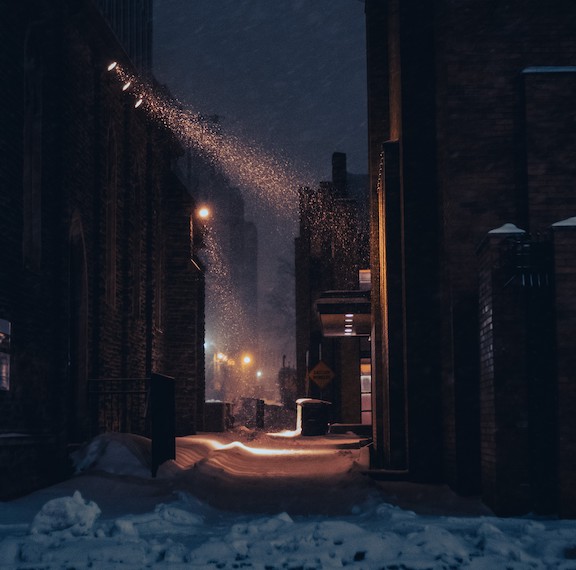
Snowy alleyway between two buildings at night, lit by a few streetlights
In Canada, a team of 27 youth with lived experience use photovoice to reflect on their COVID-19 vaccine experiences, while fostering and building their skills as photographers.
Julissa standing next to her poster from APHA
Social worker and PhD candidate Julissa Torres-Adames believes that, “With proper support, photovoice can...help clients work through past traumas and narrative therapy approaches.” PVWW interviewed Julissa about a project she co-facilitated with persons accessing services for mental health and substance use issues.
Scroll to Top