Photovoice Knowledge

Flier for "Every voice matters:" A photovoice study on the personal impacts of co-production in recovery colleges"
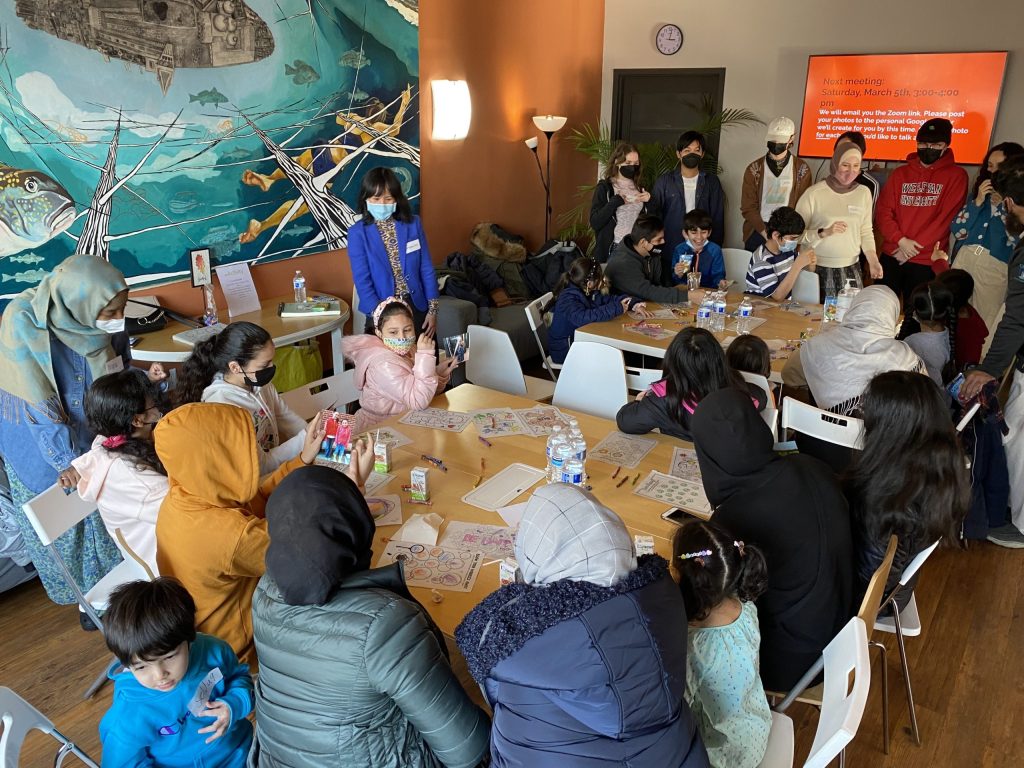
Team members at the Centre for Addiction and Mental Health (CAMH) used photovoice to explore the impact of co-production in Recovery Colleges for people with mental health and substance use challenges. A strength of the project was its creative and multi-faceted approach to knowledge dissemination.
Two cats sitting inside staring outside at an open door
This photovoice study invited twelve Latin American migrants aged 54+ living in Adelaide — South Australia’s fifth largest city — to share their stories. Using photographs and narratives, they explored how they see and feel about connection and loneliness, bringing awareness to the meaning of culture and belonging in their everyday lives.
This is a photo of all the people spelling out OT. They are Occupational Therapists.
Participatory Action Research (PAR) is flexible and inclusive and can incorporate a variety of research methods. Its findings can be shared in diverse ways, including through art, performance, exhibitions, and public forums. Photovoice is one form of PAR.
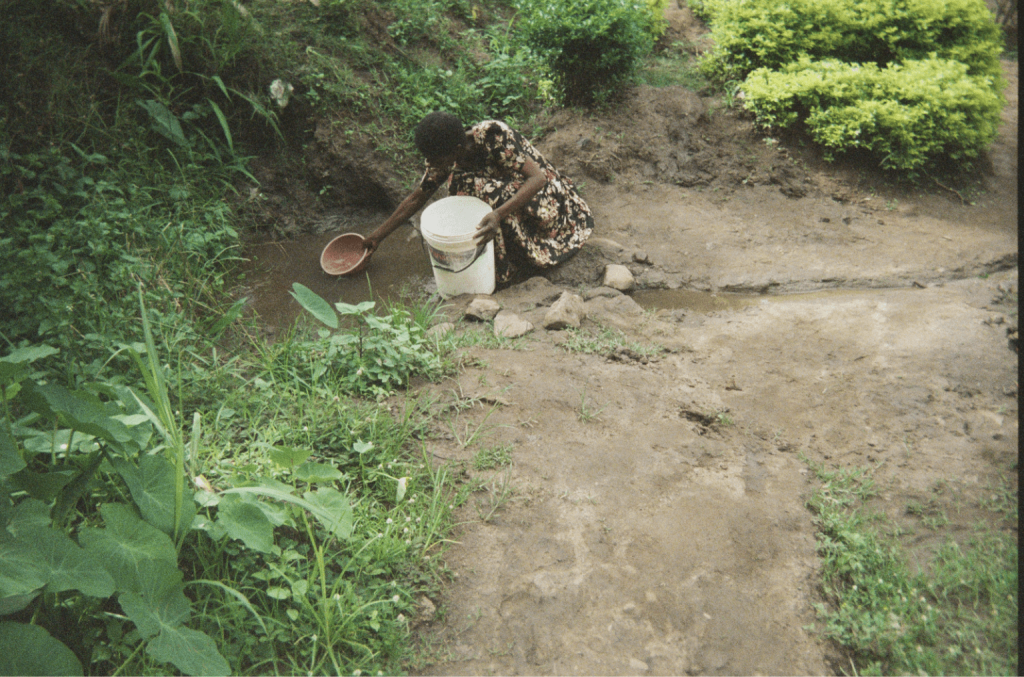
A person gathering water in a bucket
A researcher studying water insecurity in rural Malawi talks about using photovoice to overcome cultural and language barriers, thus doing justice to the co-researcher perspective when reporting data.
Two birds stand next to each other on a rock
The ethics of photovoice research are nested within universally recognized ethical principles that guide all research.
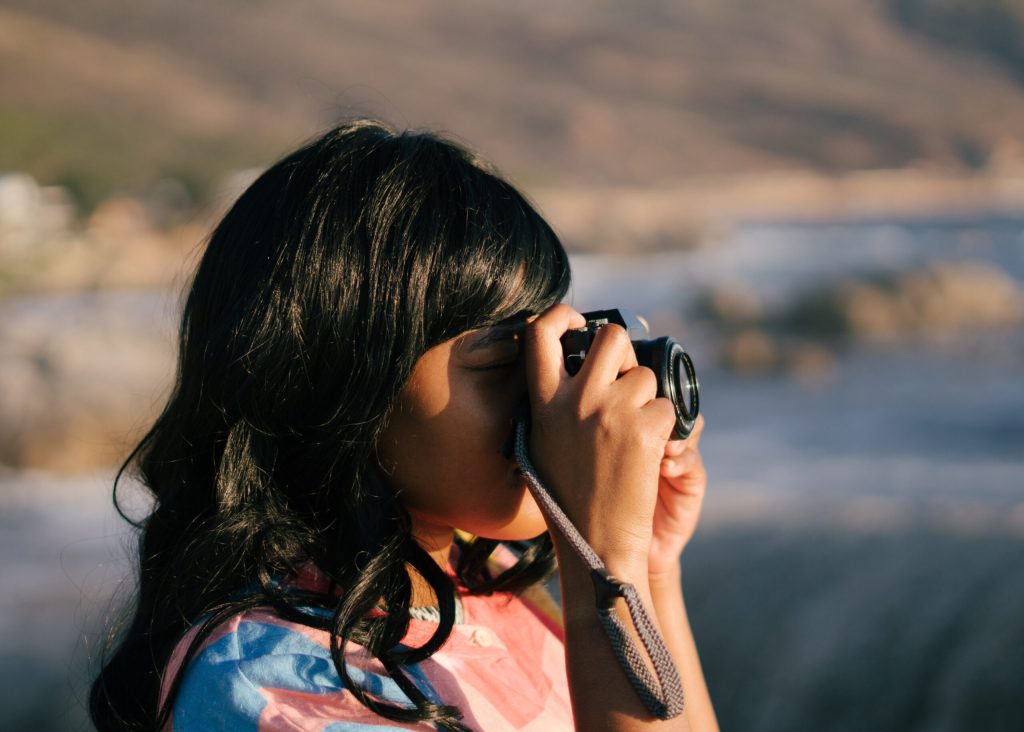
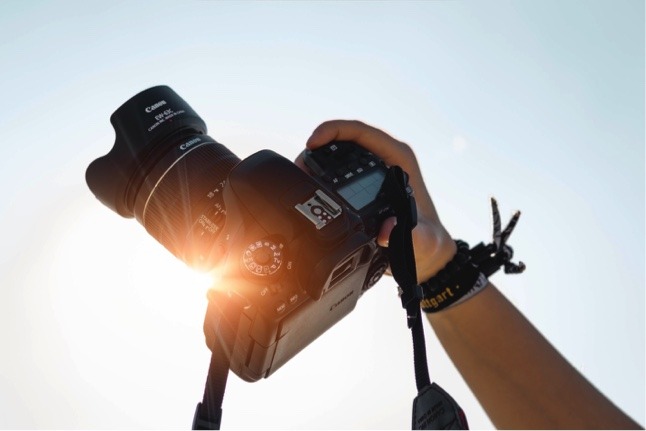
Girl in focus taking a picture with a camera
At the outset, facilitating your first photovoice project may seem overwhelming, but it need not be. A little forethought and planning will go a long way toward getting you started. Here are five things you will definitely want to think about before undertaking your project.
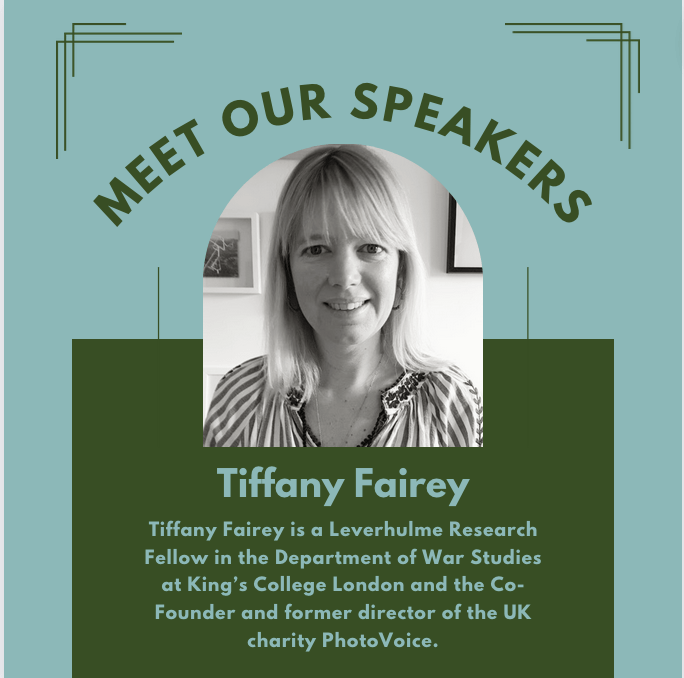
Photovoice conference cover titled ‘Meet our Speakers: Tiffany Fairey,’ featuring a headshot and short description of Tiffany Fairey.
For photovoice to work, participants have to want to be involved; it needs to be enjoyable. Participatory photography projects are about building connections and dialogue and this won’t happen if people don’t feel safe, comfortable or respected.
Scroll to Top