By exploring the intersection of culture, environmental influences, and individual behaviors, a photovoice project aims to inform the development of practical and culturally relevant interventions tailored to the needs of African American mothers.
In Canada, a team of 27 youth with lived experience use photovoice to reflect on their COVID-19 vaccine experiences, while fostering and building their skills as photographers.
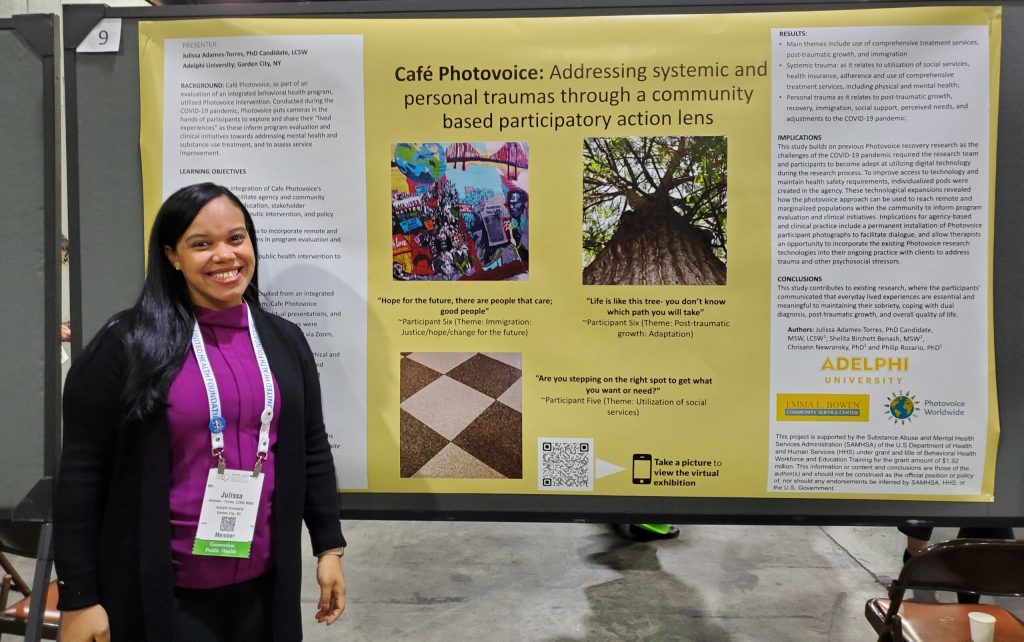
Social worker and PhD candidate Julissa Torres-Adames believes that, “With proper support, photovoice can...help clients work through past traumas and narrative therapy approaches.” PVWW interviewed Julissa about a project she co-facilitated with persons accessing services for mental health and substance use issues.
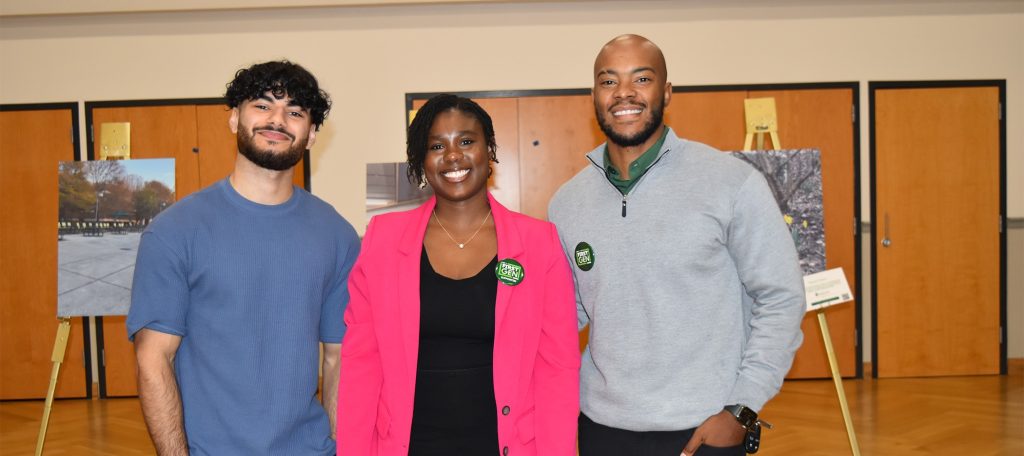
Being a first-generation college student comes with many unique challenges. Twelve first-gens at UNC Charlotte participated in a photovoice project in which they shared both their struggles and coping strategies as they sought to strike a school/life balance.
Using cameras and captions, parents across the Middle East are being encouraged to explore gender bias and stereotyped roles among mothers and fathers within the family unit. One photovoice participant shared her experience with us.
At the outset, facilitating your first photovoice project may seem overwhelming, but it need not be. A little forethought and planning will go a long way toward getting you started. Here are five things you will definitely want to think about before undertaking your project.
In a photovoice project, images are data. In daily life, images are data too. We are constantly producing data on social media. Through the videos, photos, and text people share, steps in the photovoice process are already underway.
Over a period of weeks, participants took photos to explore the concept of financial security: what it looks like, how it’s created, and how one feels when thinking about money. They shared stories of both struggle and resilience.
By using a community-based approach, photovoice can allow [physical education] teachers to capture the essence of game play and make informed decisions on the qualities of a ‘good game narrative’.