photovoice project
Do you have an idea for a photovoice project, but are afraid you won’t be able to carry it out because of budget constraints? I'm here to tell you: Have no fear! Some of the most meaningful work I have seen — and been part of — has happened with borrowed phones, community hall tables, and photos printed at a corner shop. Don't let a lack of funding or resources destroy your dream.
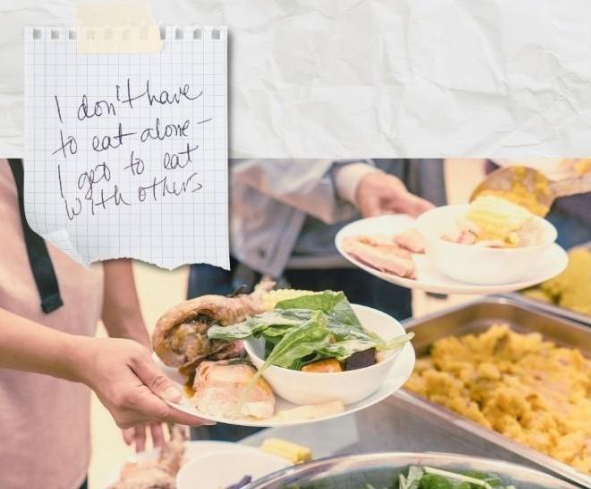
This photovoice study invited twelve Latin American migrants aged 54+ living in Adelaide — South Australia’s fifth largest city — to share their stories. Using photographs and narratives, they explored how they see and feel about connection and loneliness, bringing awareness to the meaning of culture and belonging in their everyday lives.
Human Rights and Democracy lawyer Christian C. Carbonell writes, "My role as a facilitator before and after the PhotovoiceWorldwide training was profoundly different. Both projects were meaningful, but the latter had much more depth, structure, and reflection."
In summer 2025, PVWW instructors hit the road with a series of in-person photovoice trainings. We interviewed one of them about the experience and her takeaways. The results may surprise you!
Nagham received a grant from Ettijahat – Independent Culture to lead her first independent photovoice project, focusing on the cultural identity of young Bedouin women in Lebanon. This project has been deeply personal, shaped by her close collaboration with six young women who shared powerful stories about belonging, gender roles, identity and everyday resilience.

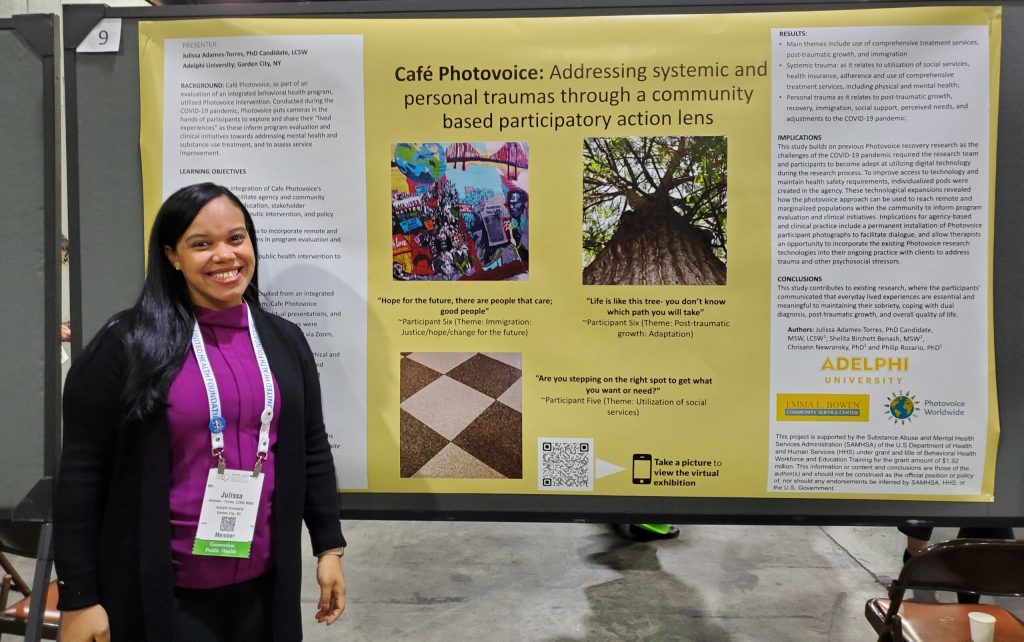
Social worker and PhD candidate Julissa Torres-Adames believes that, “With proper support, photovoice can...help clients work through past traumas and narrative therapy approaches.” PVWW interviewed Julissa about a project she co-facilitated with persons accessing services for mental health and substance use issues.