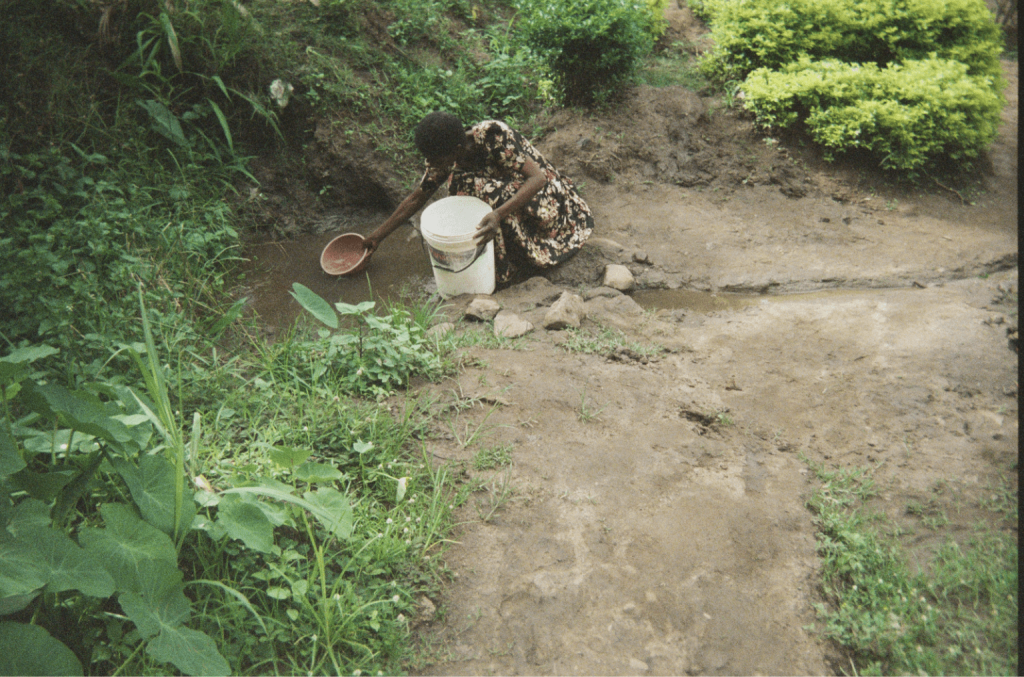
A researcher studying water insecurity in rural Malawi talks about using photovoice to overcome cultural and language barriers, thus doing justice to the co-researcher perspective when reporting data.
Sometimes we see sweeping changes in policy and legislation emerging from the voice of the people, but equally as valid are the small steps and changes which occur for participants.
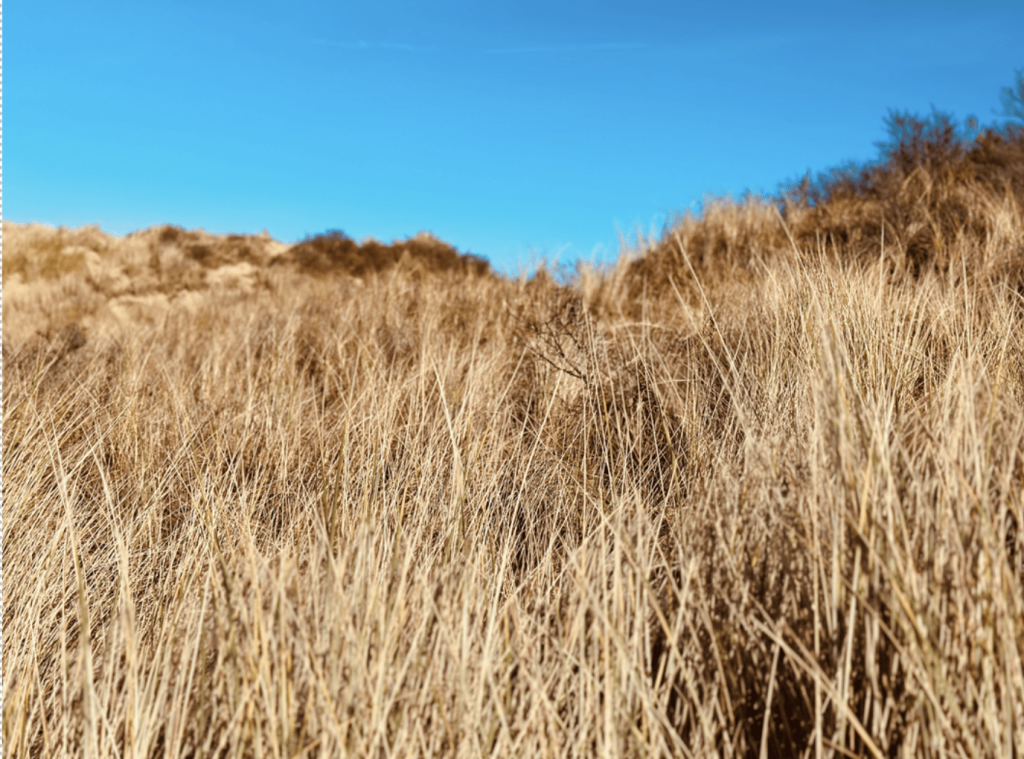
A photo-elicitation study reveals that spending time in nature can be a powerful way to connect to our Inner Child and open ourselves to a more creative and playful approach to daily life.
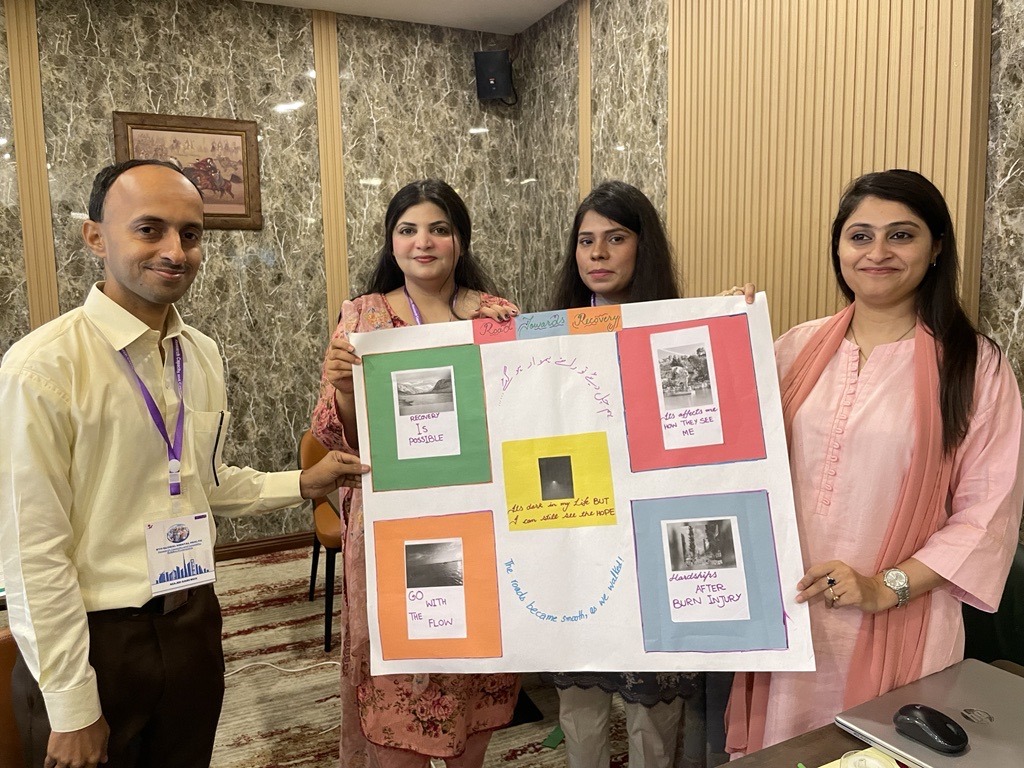
In April, Photovoice Worldwide educators traveled to Dubai, UAE, to conduct a two-day, intensive, photovoice training. While there, they experienced historic rains and flooding.
By exploring the intersection of culture, environmental influences, and individual behaviors, a photovoice project aims to inform the development of practical and culturally relevant interventions tailored to the needs of African American mothers.
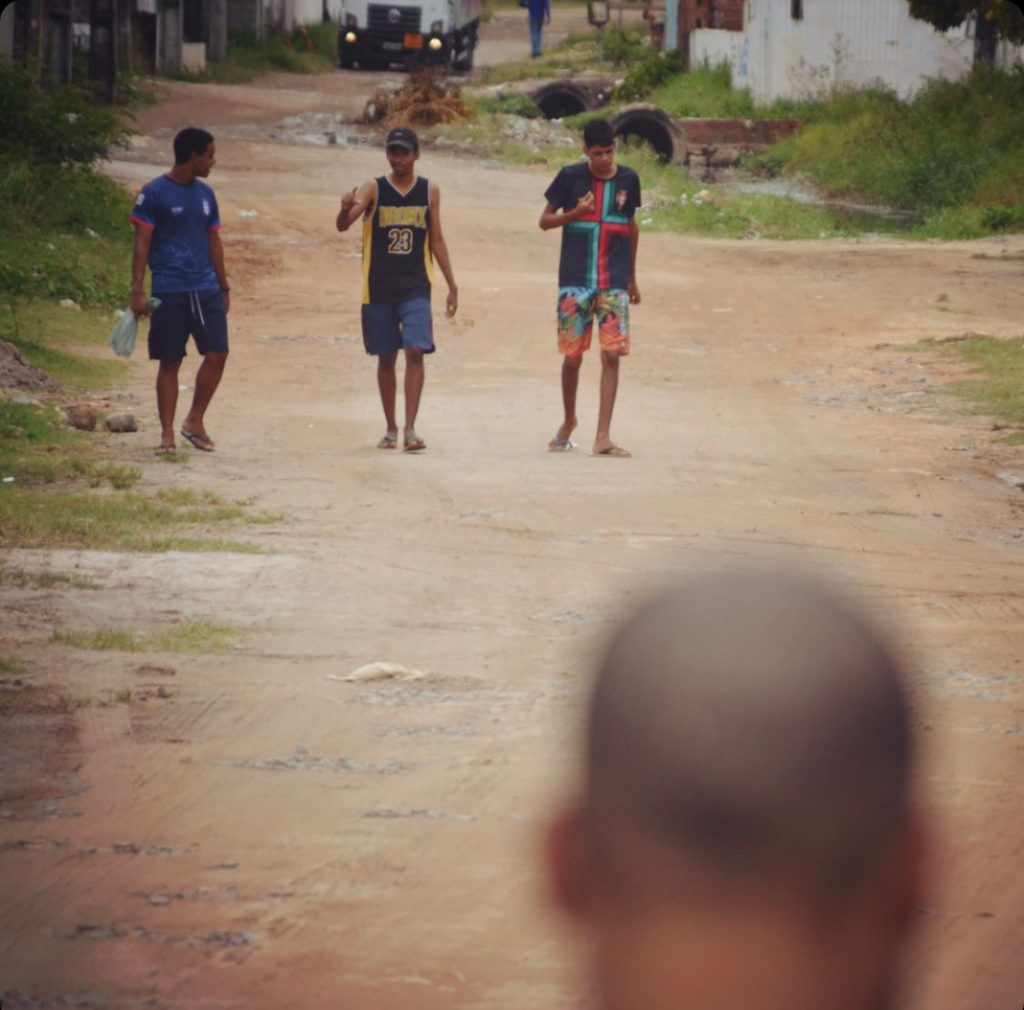
A photographer living in Northeast Brazil takes the Photovoice Worldwide Intensive School and, by learning about Paulo Freire's roots, is given a whole new perspective on the city she calls home and the work she is doing to try and lift the oppressed.
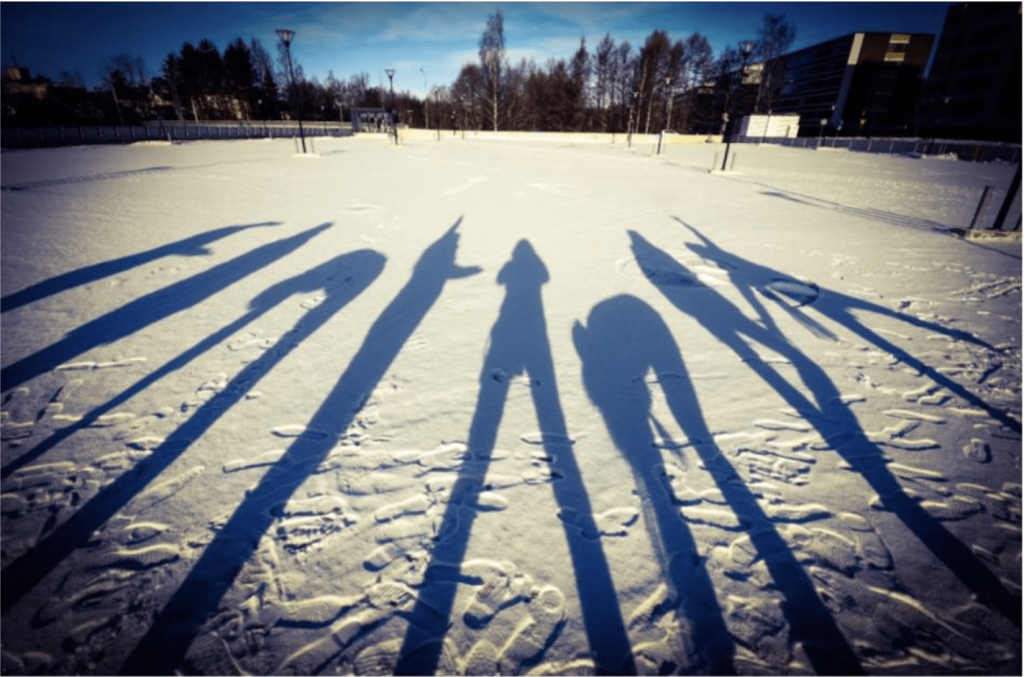
In Canada, a team of 27 youth with lived experience use photovoice to reflect on their COVID-19 vaccine experiences, while fostering and building their skills as photographers.
Using cameras and captions, parents across the Middle East are being encouraged to explore gender bias and stereotyped roles among mothers and fathers within the family unit. One photovoice participant shared her experience with us.