participatory action research
We’re back for part 3 of our “Back to School” blog series, this time exploring ways professors can use photovoice to help college students connect course concepts to the world around them, deepen reflection and discussion, and showcase what they are learning.
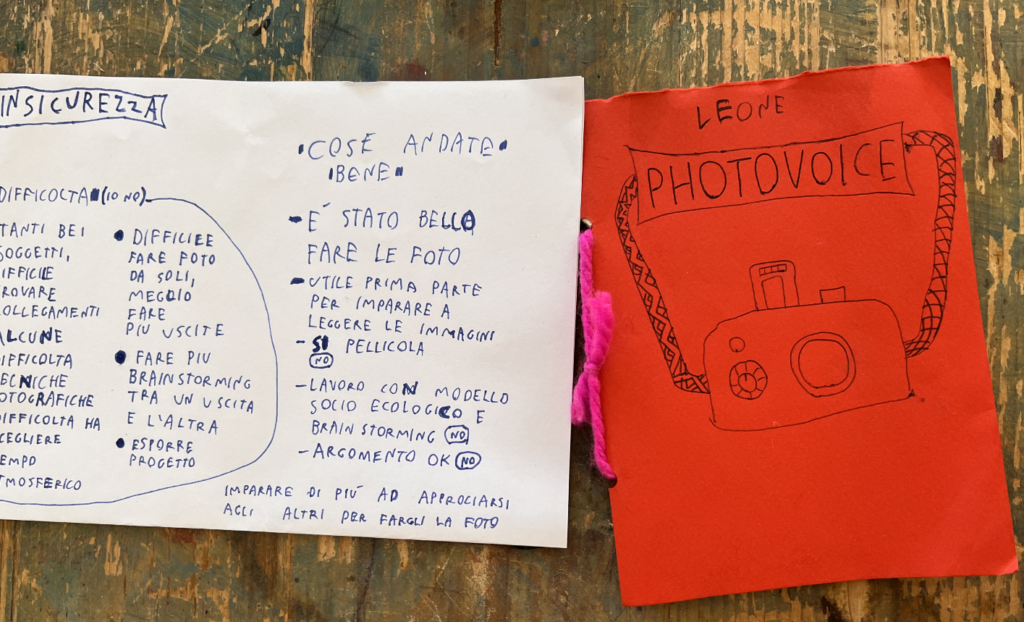
PVWW educator Erica Belli had the privilege of using arts-based methods with child refugees traveling the perilous Balkan Route, a grueling journey that involves traveling for weeks or months, often on foot, through forests, across rivers, and over mountain ranges. She came away humbled by their openness, trust, creativity, and resilience.

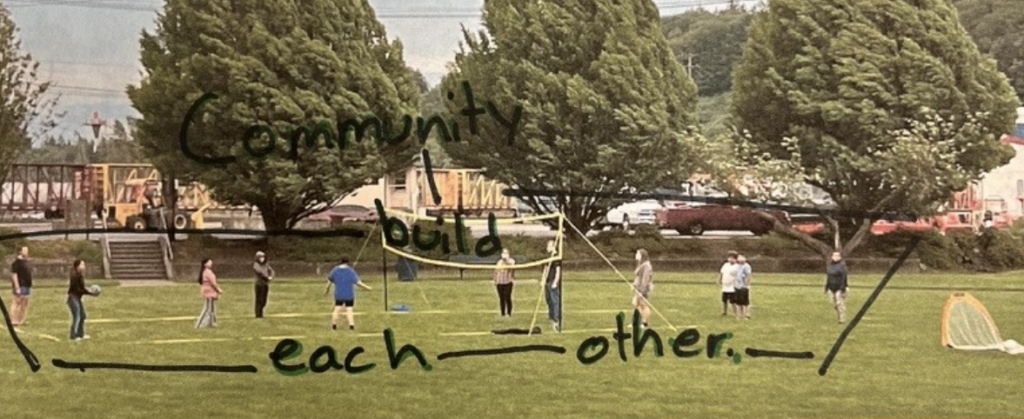
For several years now, the lush, foggy forests of the Pacific Northwest have been home to a steadily growing Latino population (1), including migrants from Mexico, Central and South America, and the Caribbean. Founded in 2022, the nonprofit Mi Chiantla in Washington State provides resources and educational material for the local Latino community.
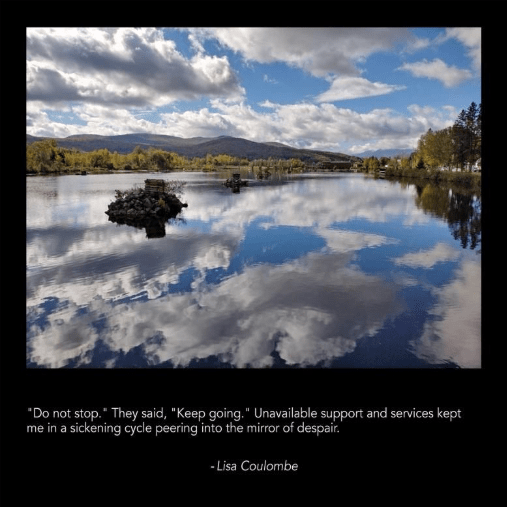
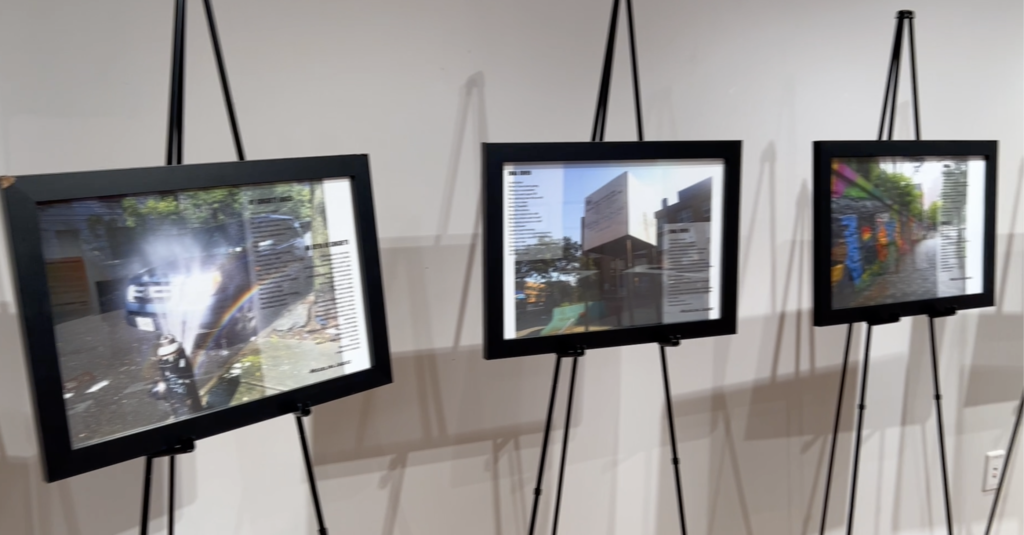
Through cameras and conversations, our participant-researchers—all of them mothers navigating pregnancy, birth, and postpartum—documented their lived realities and reflections. Some focused on moments of transformation, others on obstacles in accessing care or support. Each photo was paired with a narrative that gave voice to the mother’s experience.
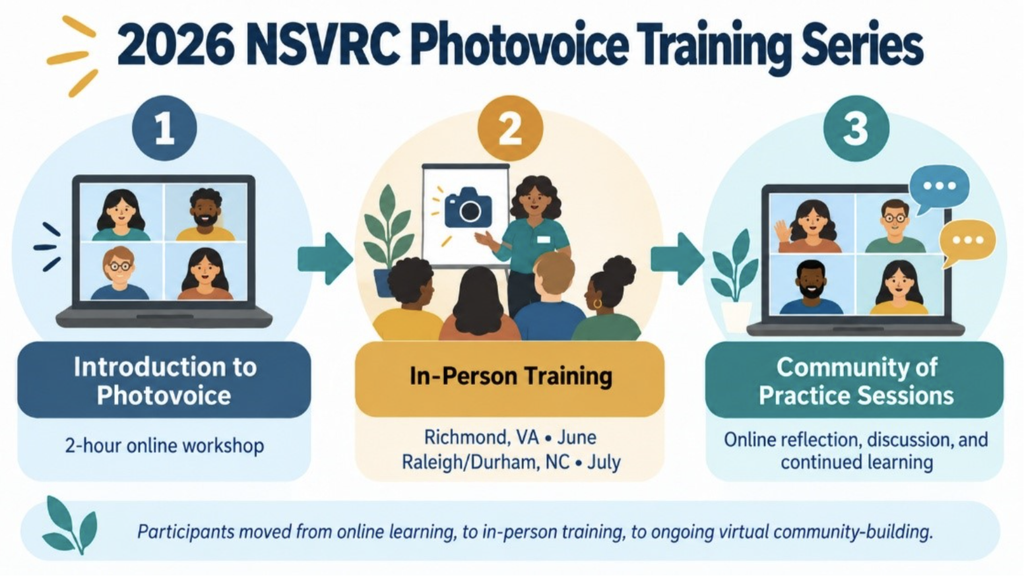
In 2026, Photovoice Worldwide had the opportunity to continue our partnership with NSVRC by offering photovoice training to participants in Virginia and North Carolina. Building on feedback from trainings offered in Kentucky and South Carolina last year, we designed a hybrid virtual/in-person series.
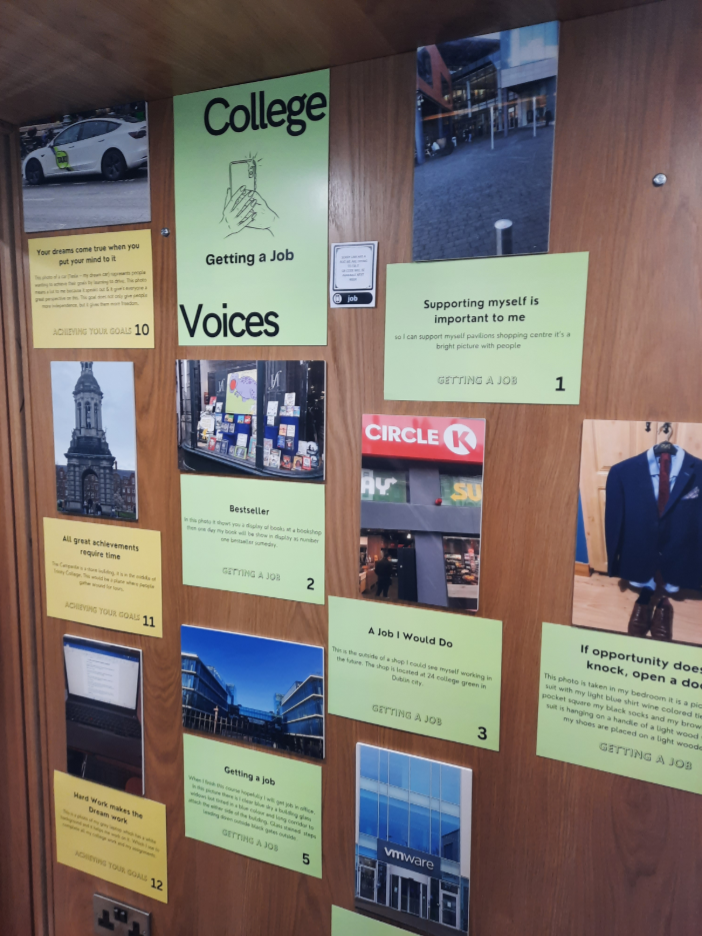
In part 2 of this “Back to School” series we explore how photovoice can be a powerful tool to use in the classroom with older students as well. Since photovoice is a highly adaptable method, teachers can feel free to pull pieces of it into their teaching, or it could be used in combination with other classroom assignments.
After all the summer fun, it’s time for students (big and little) to head back to school and for everyone to return to a regular routine. With new classrooms and classmates, back-to-school “season” can be a time for students to look closely at the world around them and set intentions for the year. This presents an ideal opportunity to bring some of the best photovoice elements into many different subjects or a viable option for classroom assignments.
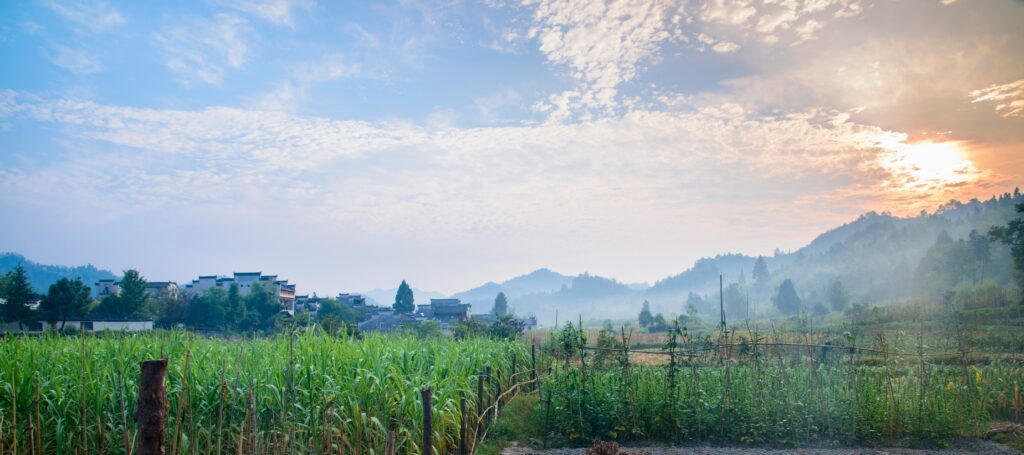
Photovoice was developed in the early 1990s by Dr. Caroline Wang and Dr. Mary Ann Burris. Their first project took place in rural Yunnan Province, China. In that project, 62 village women volunteered to document their daily lives through photographs. Their images highlighted issues such as women's health, access to childcare, girls' education, sanitation, and economic opportunities.
Photovoice is more than a creative method; it is a powerful way to generate mutual learning, strengthen communities, and inform real-world decisions. By inviting individuals to become participants/co-researchers and document their lived experiences through photography and dialogue, photovoice shifts research from studying people to learning with people.
One of the unique features of the photovoice method is that, unlike traditional qualitative research, it generates opportunities for underrepresented populations, or people who historically have not had a voice, to have a say in the decisions that affect their lives. Though commonly practiced within the health and public health sectors, it currently extends to a variety of populations and contexts.