photovoice worldwide
Photovoice is more than a creative method; it is a powerful way to generate mutual learning, strengthen communities, and inform real-world decisions. By inviting individuals to become participants/co-researchers and document their lived experiences through photography and dialogue, photovoice shifts research from studying people to learning with people.
One of the unique features of the photovoice method is that, unlike traditional qualitative research, it generates opportunities for underrepresented populations, or people who historically have not had a voice, to have a say in the decisions that affect their lives. Though commonly practiced within the health and public health sectors, it currently extends to a variety of populations and contexts.

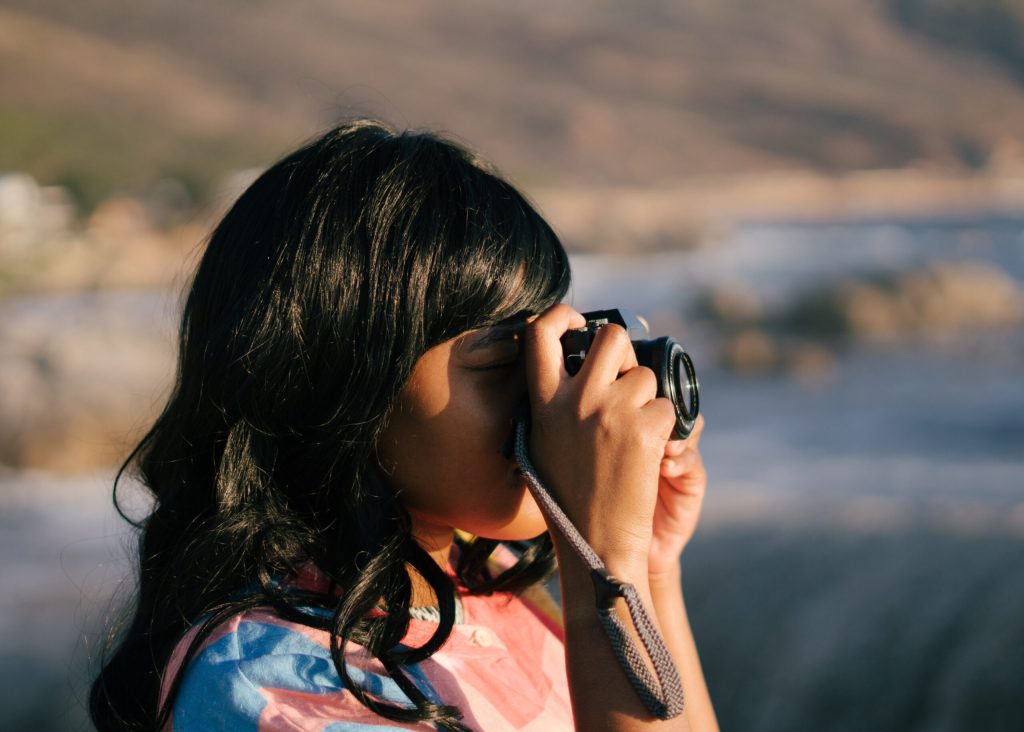
Democracy, at its best, isn’t just about casting a vote every few years. It’s about who gets to shape the conversation - whose experiences count as evidence, and whose stories are treated as data. By putting cameras in the hands of everyday people, it reframes who qualifies as an expert on community life. Photo by Tania Fernandez on Unsplash
Human Rights and Democracy lawyer Christian C. Carbonell writes, "My role as a facilitator before and after the PhotovoiceWorldwide training was profoundly different. Both projects were meaningful, but the latter had much more depth, structure, and reflection."
Participatory Action Research (PAR) is flexible and inclusive and can incorporate a variety of research methods. Its findings can be shared in diverse ways, including through art, performance, exhibitions, and public forums. Photovoice is one form of PAR.
As we gather insights from diverse voices and experiences, we reaffirm our commitment to amplifying marginalized narratives and advocating for social change, while inspiring others to recognize the power of their stories and encouraging them to use their voices as instruments of empowerment.
By exploring the intersection of culture, environmental influences, and individual behaviors, a photovoice project aims to inform the development of practical and culturally relevant interventions tailored to the needs of African American mothers.
At the outset, facilitating your first photovoice project may seem overwhelming, but it need not be. A little forethought and planning will go a long way toward getting you started. Here are five things you will definitely want to think about before undertaking your project.