qualitative research methods

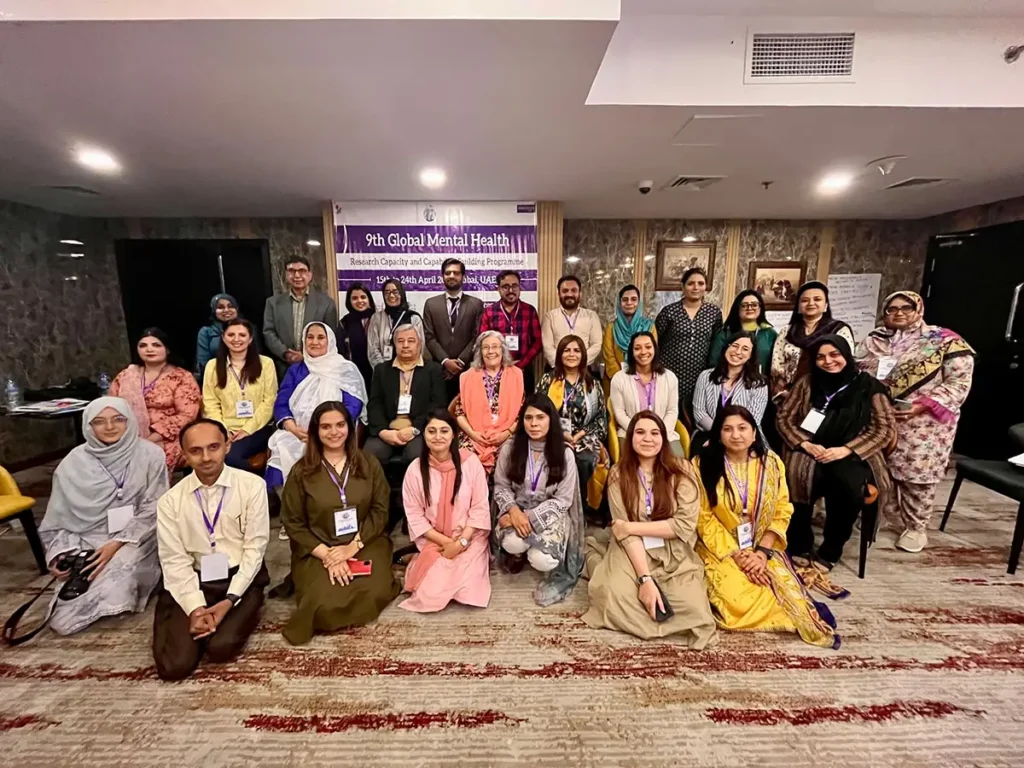
Participants from a photovoice training with Laura Lorenz, Stephanie Lloyd, and Erica Belli at the Global Mental Health Research Capacity and Capability Programme
One of the unique features of the photovoice method is that, unlike traditional qualitative research, it generates opportunities for underrepresented populations, or people who historically have not had a voice, to have a say in the decisions that affect their lives. Though commonly practiced within the health and public health sectors, it currently extends to a variety of populations and contexts.

This is a photo of all the people spelling out OT. They are Occupational Therapists.
Participatory Action Research (PAR) is flexible and inclusive and can incorporate a variety of research methods. Its findings can be shared in diverse ways, including through art, performance, exhibitions, and public forums. Photovoice is one form of PAR.
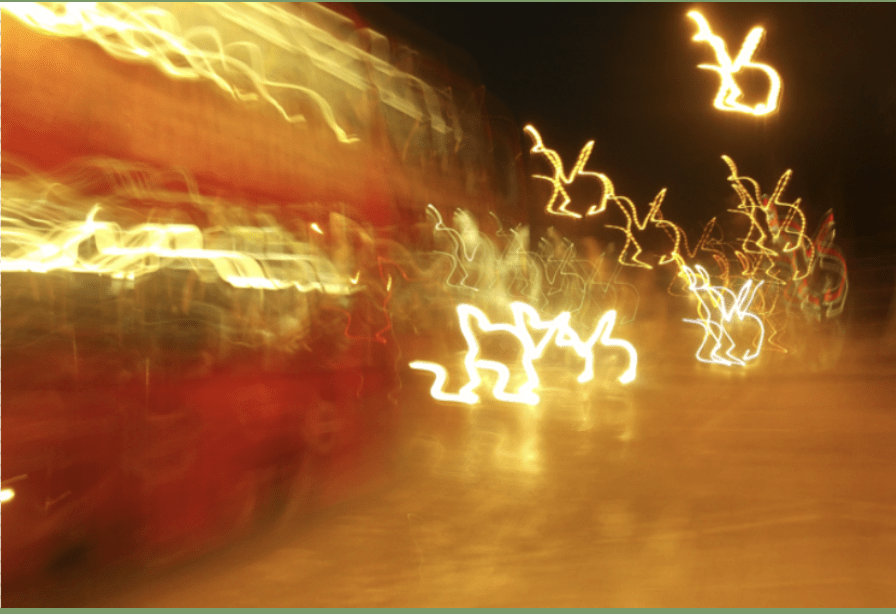
Blurred lights
Using examples from her vast experience, photographer, filmmaker, and participatory visual media practitioner Ingrid Guyon prioritizes placing participants and their community at the centre of the photovoice process.
Fresh vegetable field
Photovoice puts cameras in the hands of people with valuable lived experience so they can explore and share their perspectives on health, family, community, and their futures.
Scroll to Top