photography

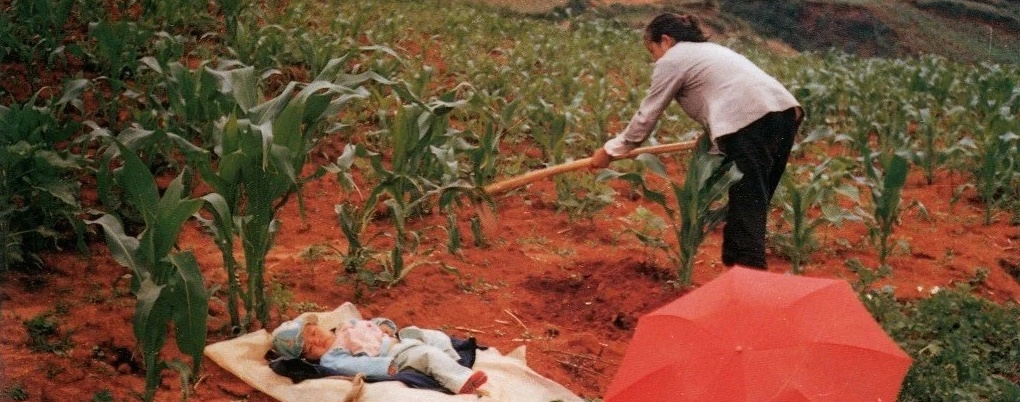
Woman working in a field of crops while her baby lays on a blanket on the ground close by.
Photovoice was developed in the early 1990s by Dr. Caroline Wang and Dr. Mary Ann Burris. Their first project took place in rural Yunnan Province, China. In that project, 62 village women volunteered to document their daily lives through photographs. Their images highlighted issues such as women's health, access to childcare, girls' education, sanitation, and economic opportunities.

Photovoice is more than a creative method; it is a powerful way to generate mutual learning, strengthen communities, and inform real-world decisions. By inviting individuals to become participants/co-researchers and document their lived experiences through photography and dialogue, photovoice shifts research from studying people to learning with people. 
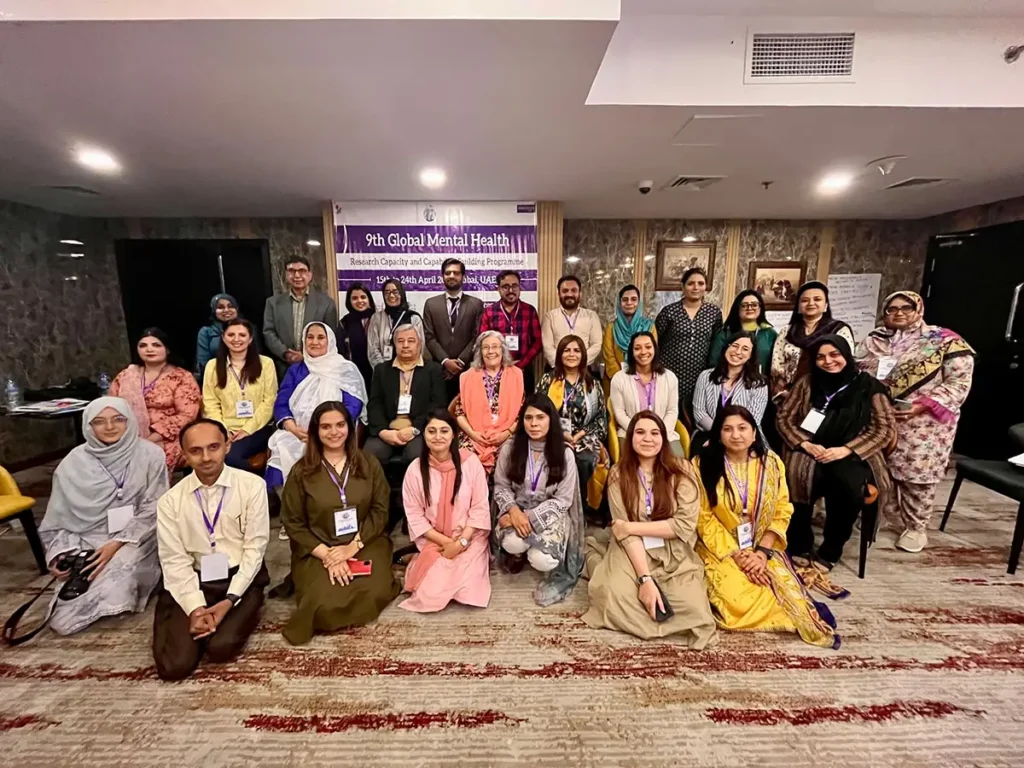
Participants from a photovoice training with Laura Lorenz, Stephanie Lloyd, and Erica Belli at the Global Mental Health Research Capacity and Capability Programme
One of the unique features of the photovoice method is that, unlike traditional qualitative research, it generates opportunities for underrepresented populations, or people who historically have not had a voice, to have a say in the decisions that affect their lives. Though commonly practiced within the health and public health sectors, it currently extends to a variety of populations and contexts.
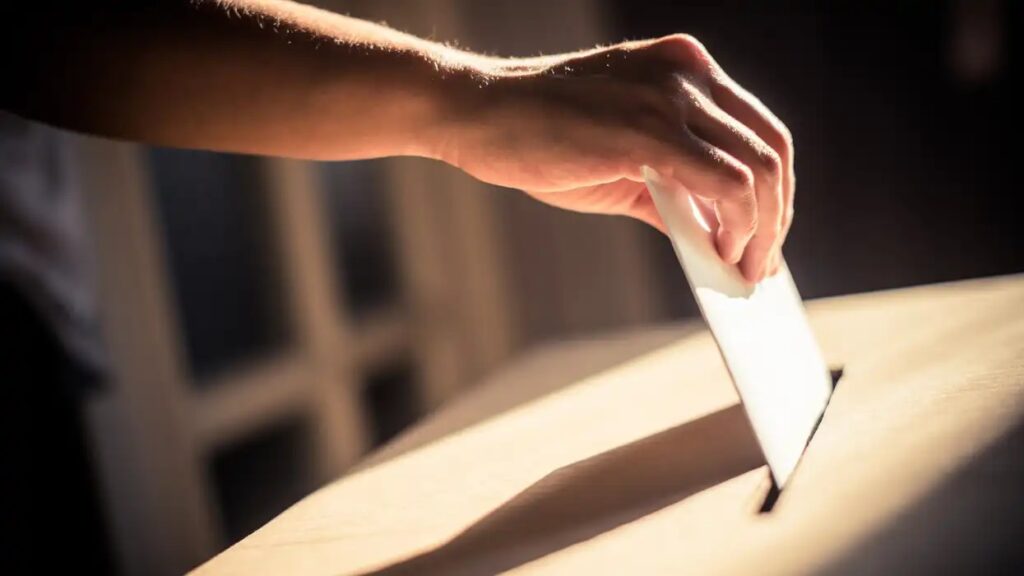
a person casting a ballot in a ballot box
Democracy, at its best, isn’t just about casting a vote every few years. It’s about who gets to shape the conversation - whose experiences count as evidence, and whose stories are treated as data. By putting cameras in the hands of everyday people, it reframes who qualifies as an expert on community life. Photo by Tania Fernandez on Unsplash
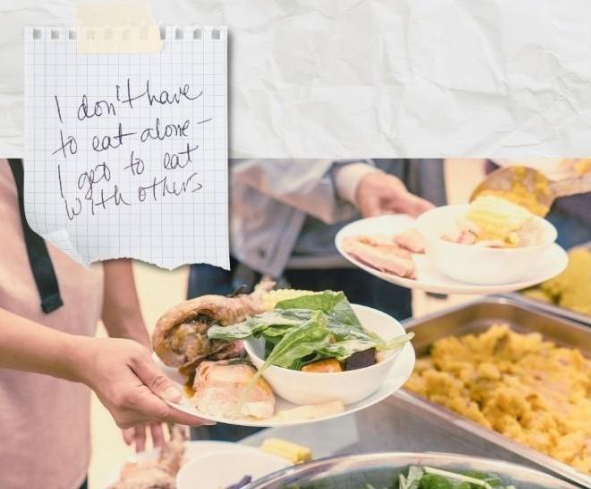
People getting food through a buffet line. In the corner, a note states "I don't have to eat alone - I get to eat with others"
Human Rights and Democracy lawyer Christian C. Carbonell writes, "My role as a facilitator before and after the PhotovoiceWorldwide training was profoundly different. Both projects were meaningful, but the latter had much more depth, structure, and reflection."
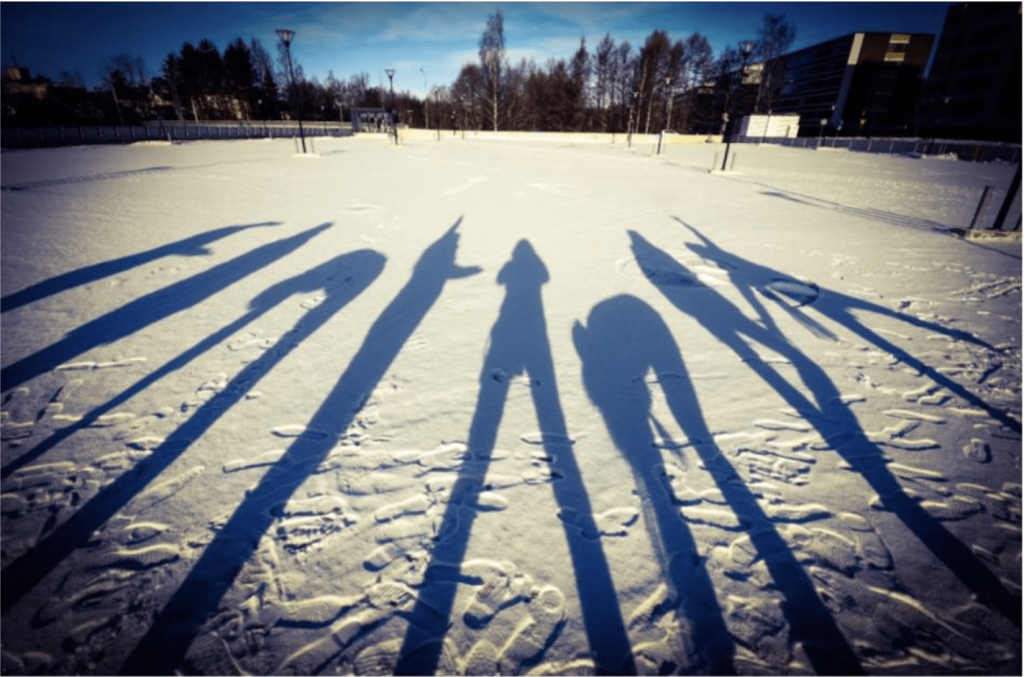
People’s shadows on a snowy surface
Sometimes we see sweeping changes in policy and legislation emerging from the voice of the people, but equally as valid are the small steps and changes which occur for participants.
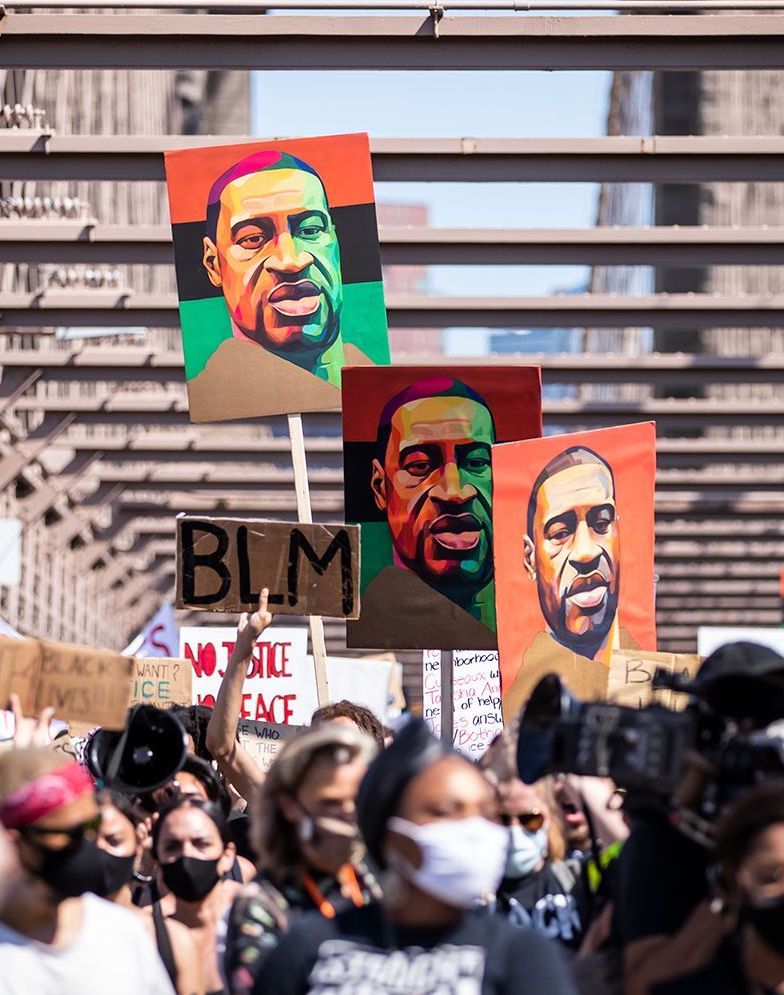
BLM posters at a protest
In a photovoice project, images are data. In daily life, images are data too. We are constantly producing data on social media. Through the videos, photos, and text people share, steps in the photovoice process are already underway.
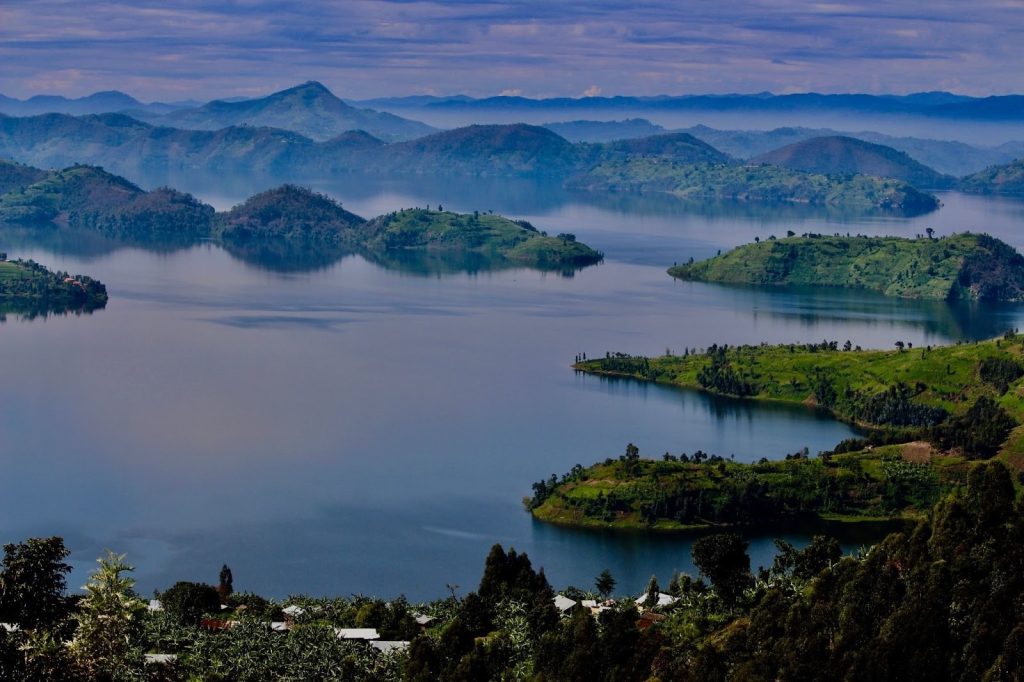
Mountain range and lake scenery
Health researcher Aimable Uwimana explores the powerful connections between the arts, nature, and mental health – in 12 stunning, captioned photos taken during the early days of the pandemic in his home country of Rwanda.
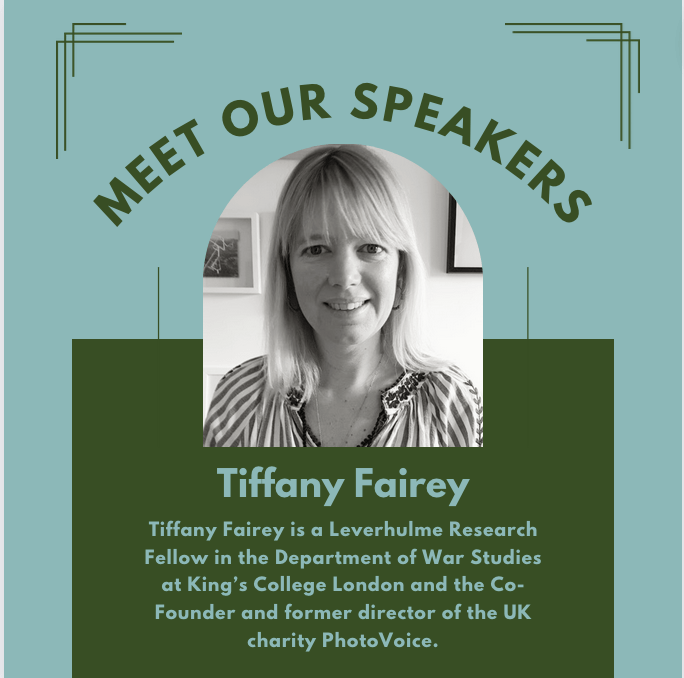
Photovoice conference cover titled ‘Meet our Speakers: Tiffany Fairey,’ featuring a headshot and short description of Tiffany Fairey.
For photovoice to work, participants have to want to be involved; it needs to be enjoyable. Participatory photography projects are about building connections and dialogue and this won’t happen if people don’t feel safe, comfortable or respected.
Scroll to Top