community based participatory reserach

Do you have an idea for a photovoice project, but are afraid you won’t be able to carry it out because of budget constraints? I'm here to tell you: Have no fear! Some of the most meaningful work I have seen — and been part of — has happened with borrowed phones, community hall tables, and photos printed at a corner shop. Don't let a lack of funding or resources destroy your dream.
Photo frame sitting on a couch, showing a girl smiling
In this photovoice project, six young Bedouin women took photos that challenge stereotypes of Bedouin women as passive recipients of cultural heritage, instead, appearing as active agents shaping their own narratives. Their efforts represent not only a personal journey, but also, a social commentary on the roles and expectations of Bedouin women in a changing world.
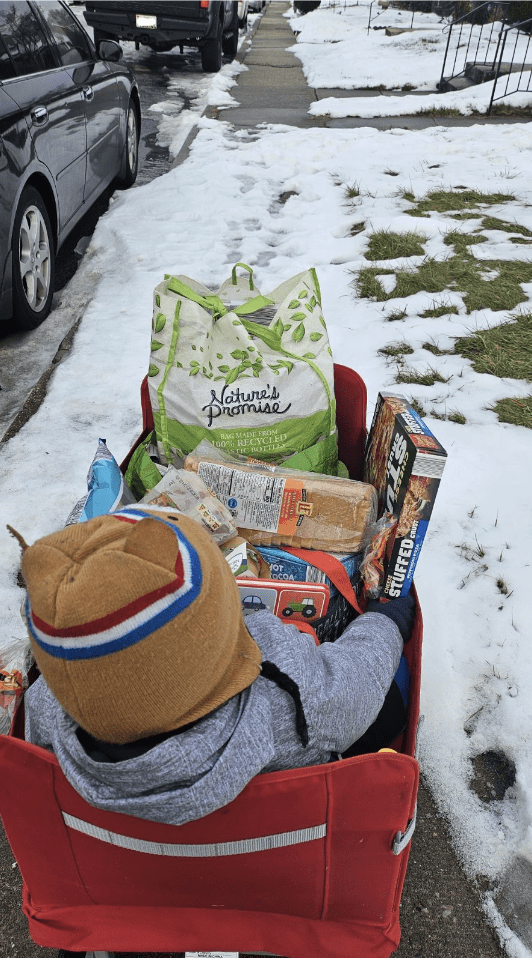
Child sitting in a red wagon with food. The sidewalk in front on the wagon is covered in snow and difficult to move forward
By exploring the intersection of culture, environmental influences, and individual behaviors, a photovoice project aims to inform the development of practical and culturally relevant interventions tailored to the needs of African American mothers.
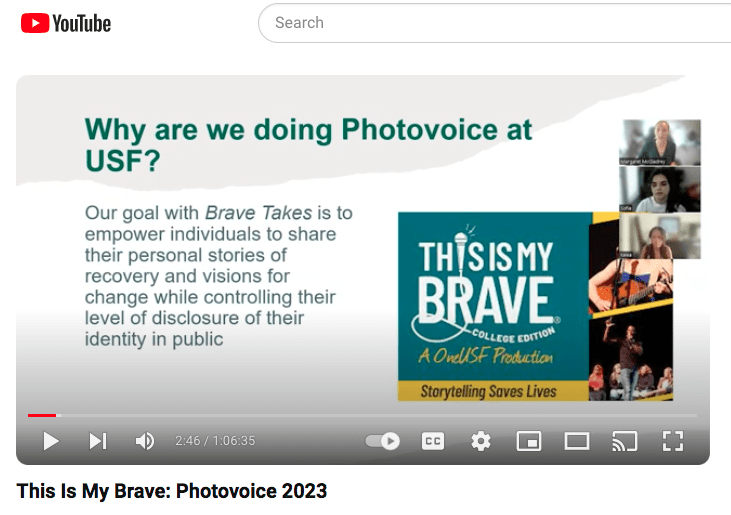
Webinar slide titled "Why are we doing Photovoice at USF?"
Exploiting a variety of media platforms allows photovoice messaging to reach a broader audience. 
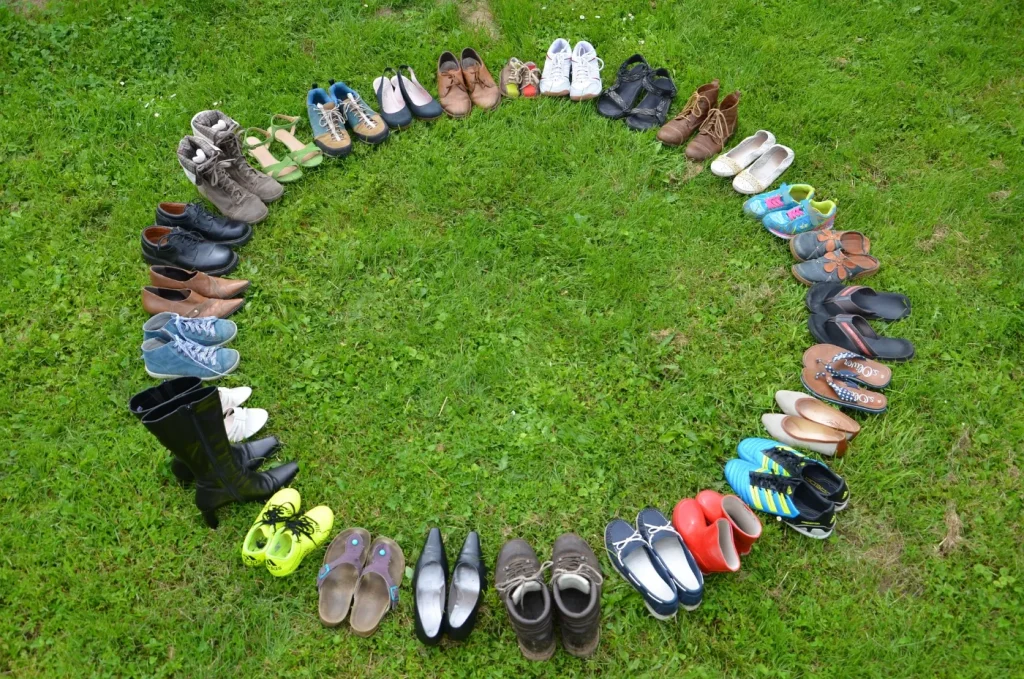
Pairs of shoes arranged in a circle on the grass
One way to acknowledge and address the interconnected legacies of colonialism and racism within photovoice health research is to adopt an anticolonial stance in framing our research and throughout its research phases.
Photovoice conference cover titled ‘Meet our Speakers: Tiffany Fairey,’ featuring a headshot and short description of Tiffany Fairey.
For photovoice to work, participants have to want to be involved; it needs to be enjoyable. Participatory photography projects are about building connections and dialogue and this won’t happen if people don’t feel safe, comfortable or respected.
Scroll to Top