About Us

At PhotovoiceWorldwide, our core values are respect, beneficence, and justice.

Our Mission

Our mission is to help individuals and organizations worldwide use photovoice safely, ethically, and successfully, and create a global community for photovoice peer-to-peer support and continuing education.

What Sets Us Apart

1

Client-centered approach, with courses and services tailored to your interests.

3

Expertise in adult learning, with interactive sessions and hands-on activities.

2

Focus on ethics, with attention to participation and use of creative techniques.

4

Emphasis on project planning, with a focus on practical skills and facilitation.

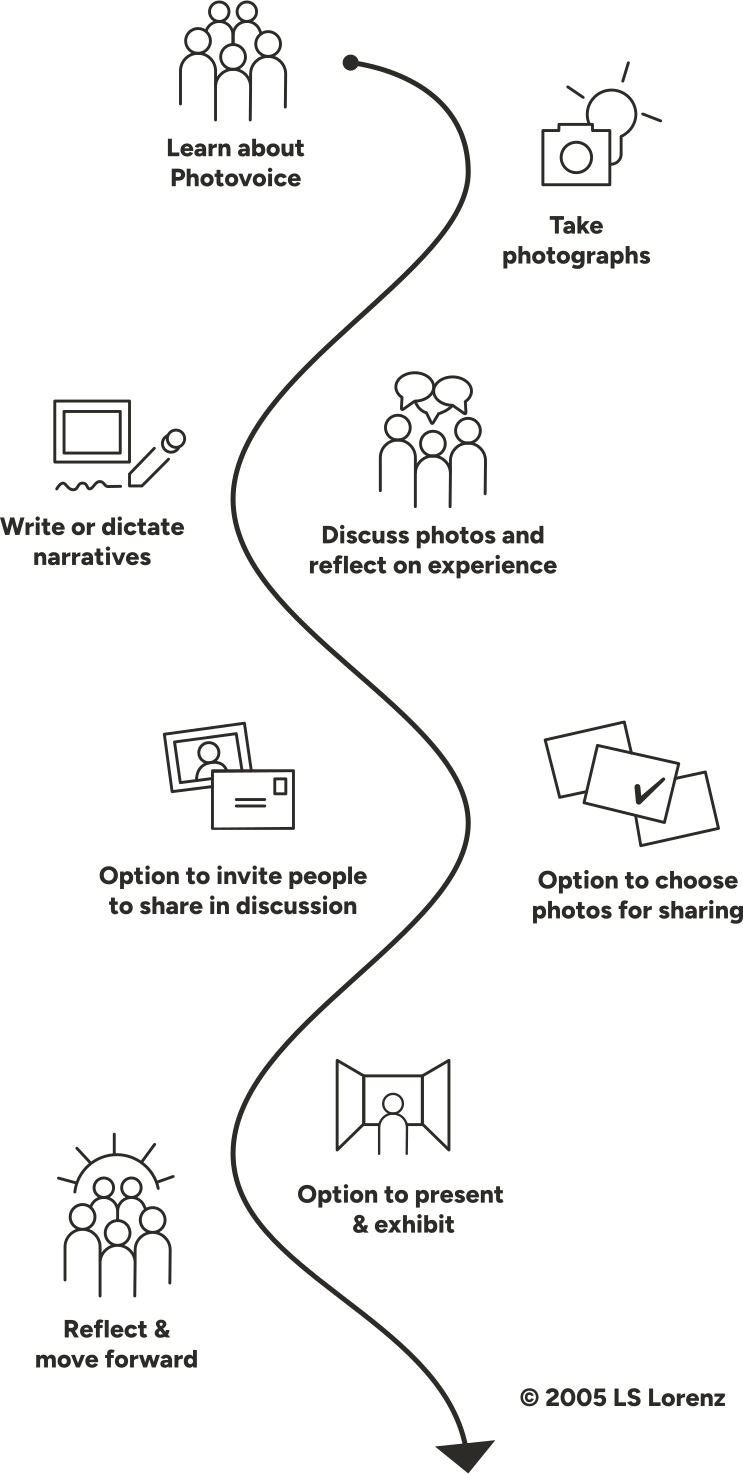
“A Photovoice Path”
the essence of our pedagogy

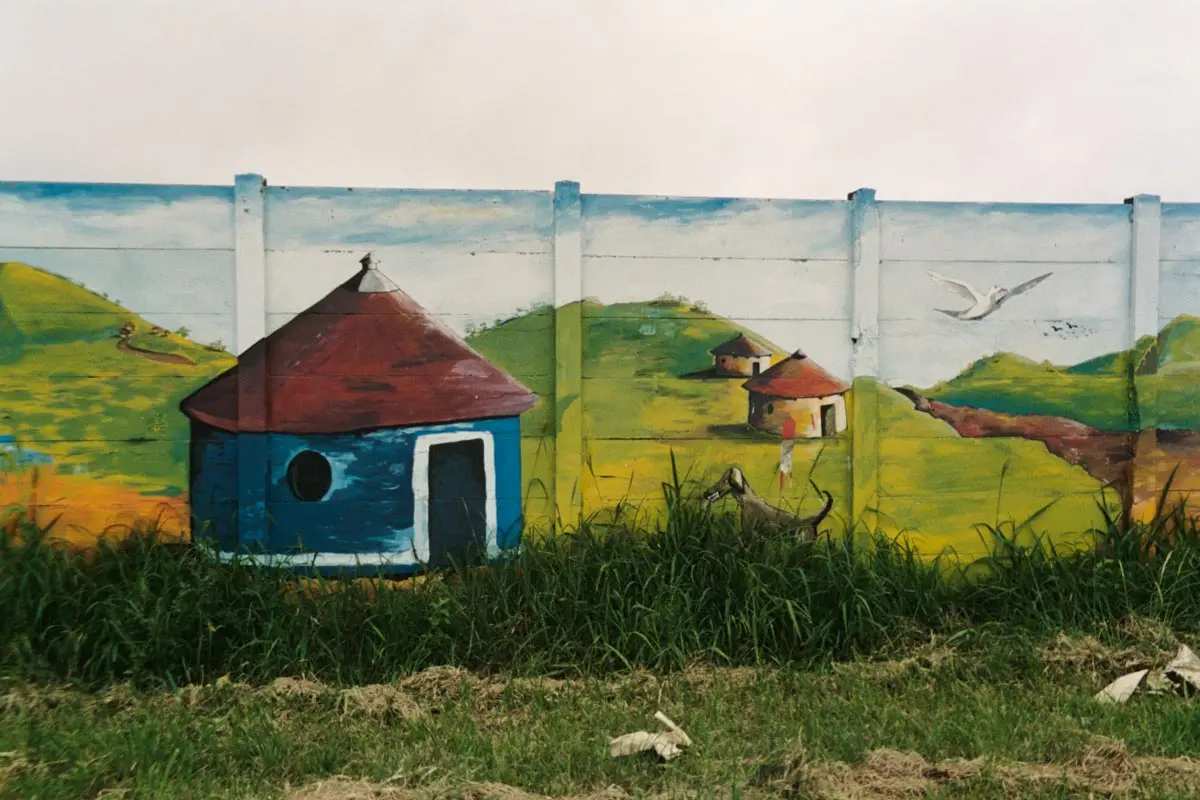
Our co-founder, Dr. Laura Lorenz, developed “A Photovoice Path” in 2001 while facilitating a photovoice project with 16 youth in Mdantsane Township, South Africa. Since then, this free, adaptable tool has been published, referred to, translated, and used all over the world.

Photovoice Path

Our Team

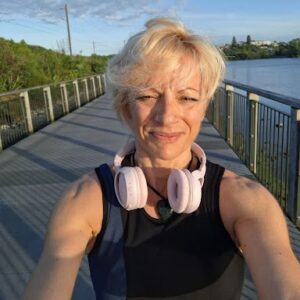
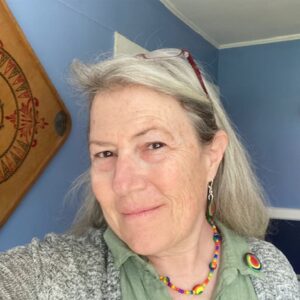
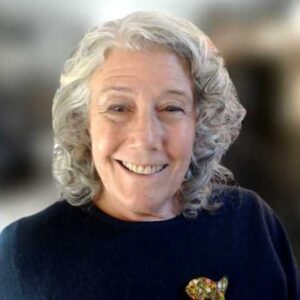
We are a versatile team of professionals with decades of photovoice experience.

We put client satisfaction at the forefront of our work every day. Our strengths are photovoice planning, facilitation, ethics, exhibits, participation, inclusion, photography, research, data interpretation and outreach. We can also work with you to produce photovoice-related books, pamphlets, guides, toolkits, and other materials.

Want to learn more about our diverse team and their expertise?

Past Projects

We work in close collaboration with individuals and organizations to achieve their photovoice project, research, and training goals. Examples of our photovoice method training and consultancies follow.

The Café Photovoice Exhibit

One of our students, Julissa Adames-Torres, took Photovoice 101: Facilitation Basics. The project she facilitated is now a permanent exhibit, “Café Photovoice,” at the Emma L. Bowen Community Center in Upper Manhattan. The exhibit captures participants’ reflections on past, current, and future uses of mental health and substance use treatment services, along with suggestions for service improvement. Adames-Torres presented her poster, “Café Photovoice: Addressing systemic and personal traumas through a community-based participatory action lens,” at the November 2023 Annual Meeting and Expo of the American Public Health Association, held in Atlanta, Georgia.

The University of California Irvine’s Community Credit research project has used photovoice as one method to explore people’s financial lives and identify ways for credit unions to better understand their community’s needs. Following the initial project, we collaborated with UCI and the nonprofit organization Abrazar to design and facilitate a second photovoice project, curate its exhibit, produce a booklet with key project highlights, and develop a photovoice tool for Abrazar’s financial coaches to use with their clients. The two projects have helped create awareness of trusted financial services in the community and the Abrazar Spark financial coaching program. They have contributed to strengthening financial literacy and improving financial situations among residents in Greater Los Angeles and Orange County.

Working in close collaboration with faculty and staff, PVWW facilitated a two-day, in-person photovoice training for faculty, researchers, and graduate students in the Department of Occupational Therapy, School of Health Professions at the University of Alabama at Birmingham (UAB). The goal: Weave the photovoice method into the department’s research and clinical training. Our team is now supporting a faculty-led pilot research project exploring greenspace experiences of Birmingham residents after a stroke. We are also collaborating with faculty and students in the Department of Occupational Therapy to weave photovoice into the department’s capstone process and establish a model for future cohorts.

We trained state-wide members of the Ohio Alliance to End Sexual Violence (OAESV) in photovoice, and several used the method with young people to understand their experiences around sexual violence and to develop effective prevention methods. We then worked closely with OAESV to develop a photovoice toolkit, funded by the Centers for Disease Control and Prevention (CDC). This incredible tool is available to download free on Google Drive.

Our staff provided consultation services to Dr. Michelle Ogunwole in her qualitative study, which examined the neighborhood and household food environments of Black mothers by exploring the intersection of culture, environmental influences, and individual behaviors. Her research aims to inform practical and culturally relevant interventions tailored to the needs of African American mothers, ultimately seeking to address racial disparities in obesity-related maternal health outcomes. PVWW provided expertise and support to enable participants to capture and share their experiences through photography.

We supported the implementation of eight photovoice projects across New England for the African Immigrant Health Research Consortium (AIHRC) and developed training plans and materials for community health workers. The projects’ purpose was to document real-life healthcare experiences of African immigrants living throughout New England during the COVID-19 pandemic. The results supported real-time development of effective and culturally appropriate COVID-19 healthcare practices. This project contributed to the body of knowledge that ensures hospitals and healthcare systems adequately serve African immigrants during current and future pandemics.

PVWW trained human trafficking case coordinators at the Broward County Nancy J. Cotterman Center and their supervisors in the photovoice method, enabling them to strengthen lines of communication with survivors. Caseworkers reported that their clients were able to tell their stories and express their emotions more easily and effectively using photovoice than they were through traditional interview methods. We also provided technical assistance in adapting elements of the photovoice method to anti-trafficking services funded by the US Department of Justice .
PVWW traveled to Dubai, UAE to facilitate an intensive photovoice training for 25 researchers, facilitators, and leaders from Pakistan and the United Kingdom working on the research project “Burns Rehabilitation: A Multidisciplinary Program for Burns Management, Treatment and Prevention in Low-income Countries.” Collaborating closely with the Pakistan Institute for Living and Learning and the University of Manchester, we tailored the training curriculum to field workers implementing photovoice with people living with burn scars in Pakistan. Participant photos and interviews are informing a social media campaign to reduce stigma towards individuals with burn scars, create awareness about burn prevention, and increase access to burn rehabilitation services. The photovoice component is just one part of this major project, funded by the UK’s National Institute for Health and Care Research. The overarching goal is to create a replicable program of healthcare and rehabilitation for people with burn injuries for use across low-and-middle-income countries.

Scroll to Top